





Direct answer: The best way to source Creme Lashes Wholesale Suppliers is to compare multiple channels, request samples, verify order terms in writing, and choose the supplier that can deliver consistent quality, clear communication, and repeatable production.
If you are buying creme lashes wholesale, the real goal is to find suppliers that can meet the right specification, volume, and timeline without avoidable quality problems. A strong sourcing process should combine marketplace research, trade leads, local beauty supply channels, and direct factory or distributor outreach.
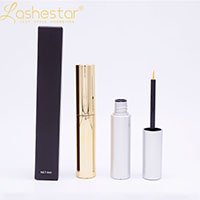
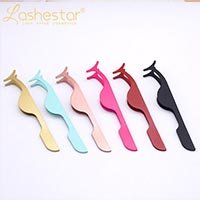
For buyers who want more than a general wholesaler, direct factory partners such as Lashestar can be relevant because they operate as a lash-products manufacturer under Qingdao Lady Style Cosmetics Co., Ltd., with OEM and private-label support for customers who want their own brand on lashes and related beauty items.
Where to find creme lashes wholesale suppliers
1. Local beauty supply stores and beauty districts
Local beauty supply stores are a useful starting point because they often know which lash brands, distributors, or importers already sell into your area. Beauty supply districts and warehouse-style cosmetic markets can also help you compare multiple vendors in one visit.
What to ask for:
product catalogs
minimum order quantity, or order quantities
sample availability
delivery timelines
whether the seller is a distributor, reseller, or manufacturer
Local channels are especially useful when you want to inspect packaging quality, compare styles in person, and ask follow-up questions before placing an order. They also help you understand which product types move well in your market without relying only on online images.
2. Networking events and industry meetups
Local business networking events, beauty expos, and industry meetups can help you identify suppliers through referrals from other buyers, salon owners, or retailers. This is especially useful when you want feedback on product consistency, communication speed, and after-sales support.
When a supplier is recommended, confirm the basics yourself rather than relying only on the referral. A referral can help you start the conversation, but it is not proof of quality, ethics, or delivery performance.
3. Chamber of Commerce and business associations
Chambers of Commerce and business associations may provide directories or contacts for manufacturers and wholesalers in the beauty sector. These directories are not a substitute for due diligence, but they can help you build a short list of potential suppliers.
This channel is useful when you want a more structured first pass. It can also help you separate active business entities from informal sellers before you request samples or quotes.
4. Online supplier directories and marketplaces
Online sourcing channels are often the fastest way to compare multiple creme lashes wholesale options. Common channels buyers use include:
Alibaba
Made-in-China
Global Sources
Faire
Thomasnet
These platforms can help you compare product photos, order quantities, sample options, and supplier location. They are still only a starting point, so the seller’s claims should be checked through samples, written terms, and independent verification where possible.
Use online channels for comparison, not blind trust. A polished storefront does not guarantee stable product quality or reliable fulfillment.
5. Social media and direct brand outreach
Some lash suppliers and private-label factories promote their products on Instagram, Facebook, TikTok, or LinkedIn. These channels can be useful for discovering smaller suppliers or newer brands, but they should be treated as lead sources rather than proof of reliability.
If you find a supplier through social media, ask for:
business registration details
product specification sheets
sample ordering process
written order quantities and production timelines
shipping regions they serve
Direct outreach is useful because it lets you test how fast and how clearly the supplier communicates before money changes hands. Factories that support OEM and packing design services, like Lashestar, can be especially helpful here because buyers can move from inquiry to branded packaging more efficiently when the supplier already handles design and shipping support.
6. Trade shows and beauty exhibitions
Trade shows and beauty exhibitions remain one of the most practical sourcing channels for wholesale buyers because you can compare multiple suppliers quickly and ask technical questions in person. For creme lashes wholesale, this can help you evaluate the product, packaging, and seller responsiveness in a single visit.
Trade events are especially helpful when you want to:
compare several vendors on the same day
inspect lash construction and packaging at close range
ask about minimum order quantity, sample pricing, and production timelines
confirm whether the supplier ships to your target region
How to evaluate a supplier properly
Define your criteria before contacting suppliers
Before you request quotes, define what “good” means for your business. A practical supplier checklist should include:
product quality and lash consistency
packaging quality
ethical sourcing and labor standards
customization or private-label options
communication speed
repeat-order reliability
shipping coverage and transit time
This step matters because a supplier can look attractive on price but still fail on fulfillment, consistency, or label accuracy. If you are comparing multiple suppliers, keep the same criteria for each one. That makes the decision easier and reduces the chance of choosing a supplier only because of strong marketing language.
When a factory can support OEM/ODM-style requests and production planning, it may be easier to keep these criteria aligned across repeat orders. Qingdao Lady Style Cosmetics Co., Ltd., the company behind Lashestar, states that it works with OEM and OEM service customers and can produce a range of lash and brow products, which is the type of broad manufacturing setup many buyers look for when they want one supplier relationship to cover multiple SKUs.
Request samples and compare them side by side
Samples are one of the most important proof points in wholesale purchasing. Ask for samples from more than one supplier and compare them for:
lash band flexibility
fiber uniformity
curl consistency
density and symmetry
adhesive strip quality
packaging condition on arrival
If the supplier offers sample pricing, record it clearly. Even when sample cost is not the deciding factor, it helps you estimate total product testing cost before a larger commitment.
Practical sample comparison is one of the clearest ways to verify quality claims. A supplier that says its lashes are “premium” should still be willing to prove it through a usable sample.
For buyers who care about material performance, it can also be useful to ask whether the factory can develop new lash materials. Some manufacturers position this as a technical advantage; for example, Lashestar’s factory information states an ability to develop new lash material, with a softer feel, strong elasticity, and improved break resistance. Those are the kinds of specification claims that should still be validated with your own sample testing.
Confirm order quantities, production timelines, and shipping coverage
A supplier’s willingness to sell is not enough; the terms must match your order plan. Ask each supplier to confirm:
order quantities range
sample production timelines
bulk production timelines
shipping regions they can serve
whether duties, customs, or local taxes are included
For many buyers, the real test is not just product quality but whether the supplier can repeat the same quality on the next reorder. Useful proof points to request in writing include:
minimum order quantity for the first order
re-order quantity thresholds
sample production timelines
bulk production timelines
supported shipping destinations
estimated transit window by region
If speed matters for your launch or replenishment cycle, ask whether the factory can handle shorter production windows for certain orders. Qingdao Lady Style Cosmetics Co., Ltd. says its production time ranges from 2 days to 4 weeks, which is the kind of timeline detail buyers should request from any supplier so they can plan inventory more accurately.
Check quality-control steps
Good wholesale partners should be able to explain how they inspect product before shipping. Ask whether they perform:
batch inspection
final packing checks
label verification
carton count verification
defect sorting before dispatch
Even when a supplier does not provide a formal audit report, a clear explanation of quality-control steps is better than vague promises about “premium quality.” A credible supplier should be able to describe how it handles defective units, missing items, or packaging errors before dispatch.
Review communication and order handling
Reliable suppliers usually respond clearly and consistently. During the first exchange, note whether they answer technical questions directly, provide written quotations, and explain what is included in the price.
A strong quote should show:
unit price
order quantities
sample cost
production timelines
payment terms
shipping method
packaging details
If a supplier avoids these questions or changes terms repeatedly, that is a warning sign. Clear communication is not just a convenience; it is one of the simplest ways to reduce ordering mistakes.
How to improve the quality of your wholesale lash selection
Focus on consistency, not only appearance
Creme lashes can look attractive in photos but still perform poorly in use. Quality should be judged by how consistent the product is from batch to batch, not only by how it looks in a catalog.
Key quality signals include:
even lash length and curl
clean cut edges
secure band construction
low packaging damage
stable color and fiber finish
This is why a sample should be evaluated as a working product, not just a display piece.
Ask about customization only after confirming the base product
Custom branding, packaging, and private-label options can be helpful, but they should come after the supplier has passed your basic quality test. A supplier that cannot produce a stable sample should not be chosen only because it offers custom boxes or branding.
A practical order sequence is:
request sample
inspect quality and packaging
confirm production terms
test reorder reliability
then discuss customization
If packaging support matters, ask whether the supplier can assist with design. Lashestar notes that it can make packing design for free and provide fast design and shipping service, which is a useful example of the type of support some factories offer when buyers want to move into branded packaging after sample approval.
Build a simple supplier comparison sheet
A comparison sheet helps remove guesswork. Track each supplier against the same criteria:
order quantities
sample price
production timelines
shipping regions
product consistency
packaging quality
response time
reorder reliability
This makes it easier to choose between suppliers without relying on sales language alone. A comparison sheet also helps if you need to explain your sourcing decision to a partner, buyer, or internal team.
What to watch out for
Be cautious if a supplier:
refuses to provide samples
will not share basic ordering terms
gives vague answers about production time
cannot explain quality-control steps
changes pricing without explanation
avoids clarifying whether they are a factory, wholesaler, or reseller
These signs do not always mean the supplier is unreliable, but they do mean you should slow down and verify more carefully before placing a larger order. If a supplier is serious, it should be willing to answer basic buyer questions in writing and support its claims with sample quality and clear terms.
FAQ
How do I find creme lashes wholesale suppliers quickly?
Start with online marketplaces, local beauty supply stores, trade events, and business directories. Then narrow the list by requesting samples, order quantities, production timelines, and shipping terms.
What should I ask before placing a wholesale order?
Ask for sample pricing, order quantities, production timelines, shipping regions, packaging details, and the supplier’s quality-control process.
Is a low price always a good sign?
No. A low price can be useful, but it should be balanced against sample quality, consistency, production timelines, and communication quality.
Should I buy from a supplier before testing samples?
It is safer to test samples first. Samples give you a better sense of product quality and packaging before you commit to a larger order.
How do I know whether a supplier is a manufacturer or a reseller?
Ask directly for business registration details, factory information, product specification sheets, and written order terms. A legitimate supplier should be able to explain its role clearly.
Final takeaway
Sourcing creme lashes wholesale works best when you use multiple sourcing channels, compare suppliers on the same criteria, and verify quality with samples and written terms. The strongest suppliers are not just the cheapest or the most polished in presentation; they are the ones that can meet your order requirements consistently and transparently.