






A professional eyelash wholesale distributor in the USA is a supplier that matches your sales channel, provides clear product specifications, offers reliable replenishment, and supports consistent quality for retail, salon, spa, or online fulfillment. The best fit depends on whether you sell false lashes, lash extensions, or private-label lash products.
Partnering with the right distributor can help a beauty business improve product consistency, simplify replenishment, and align inventory with customer demand. In the eyelash category, distributors usually serve either the false lash market or the lash extension market, so the right choice depends on your product format and service model.
A strong distributor relationship matters most when you need stable supply, clear product specifications, and responsive support. Because the eyelash market in the USA has been growing and is expected to keep expanding, choosing the right wholesale partner can affect both margins and customer satisfaction. The growth of the category is commonly linked to changing beauty trends, social media visibility, self-care routines, and continued interest in grooming products.
That is why it helps to evaluate suppliers not only by price, but also by product consistency, customer fit, and operational reliability. For buyers building a private-label lash line, that can also mean checking whether the manufacturer can support OEM and custom brand development with practical production timelines.
Overview of eyelash wholesale distributors in the USA and their characteristics
US eyelash wholesale distributors do not all serve the same customers or play the same role in the supply chain. Some focus on retail-style false lashes, while others specialize in professional lash extension products and salon supplies. Others function as broader trading partners, sourcing from manufacturers and reselling to stores, salons, spas, or e-commerce sellers.
This distinction matters because the distributor’s business model affects product assortment, order flexibility, packaging, production timelines, and support expectations. A distributor that is well suited for a salon may not be the best match for a consumer retail brand, and a retail wholesaler may not carry the precision-oriented products a lash technician needs.
Different types of eyelash wholesale distributors in the USA
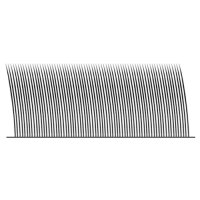
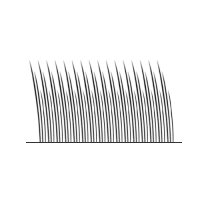
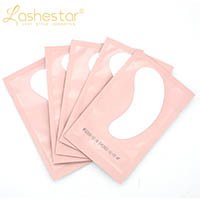
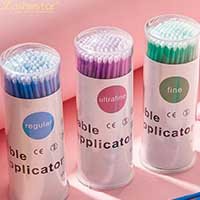
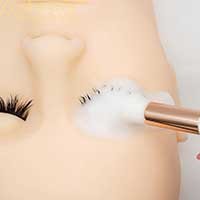
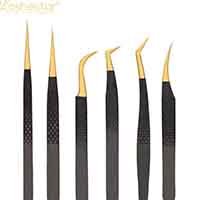
Eyelash extension wholesale distributors generally sell to beauty spas, salons, lash technicians, and training academies. Their product mix often includes individual lash trays, pre-made fans, tweezers, adhesive-related accessories, under-eye pads, lash shampoo, and other salon supplies. These distributors can be especially useful for professionals who want to source multiple items from one vendor. Some also offer custom lash trays with mixed lengths, thicknesses, and curls.
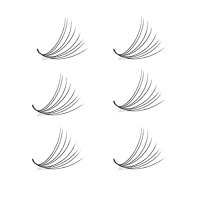
False eyelash wholesale distributors generally sell to beauty stores, cosmetics stores, online retailers, and other resale channels. Their product mix often includes strip lashes, cluster lashes, and individual lashes made from materials such as synthetic fibers, faux mink, human hair, or mink-style blends. These products are usually aimed at different makeup needs, from everyday wear to special occasions.
The customer segment a distributor serves is an important qualification clue. For example, a salon-focused supplier may emphasize repeatable extension trays, while a retail wholesaler may emphasize shelf-ready packaging and fast-moving fashion styles. In private-label programs, it is also worth asking whether the supplier can create packaging design at no extra charge and support fast design and shipping workflows.
Different types of eyelash wholesale distributors in the USA
Retail and e-commerce wholesalers may prioritize pack formats, fast shipping, and stable stock for repeated online orders.
Sourcing intermediaries may help buyers locate product makers or private-label options, but the buyer may need to verify specs and quality control more closely.
Direct import or stock distributors may offer faster fulfillment for in-stock items but fewer customization options.
Understanding the distributor’s function helps you avoid mismatched expectations around pricing, packaging, production timelines, and product customization. It also helps you determine whether the supplier is mainly a stockist, a sourcing intermediary, or a specialized professional beauty supplier. In some cases, the actual factory behind the distributor matters as much as the distributor itself, especially if you need OEM support or new material development for a branded lash collection.
Benefits of partnering with a professional eyelash wholesale distributor in the USA
Working with a professional eyelash wholesale distributor can help you take advantage of market demand with more reliable buying and fulfillment. For a category that depends heavily on repeatable appearance, packaging consistency, and customer trust, the distributor’s operational quality can directly influence your business performance.
What a professional distributor can help you do
A professional eyelash wholesale distributor can:
reduce unit costs through wholesale pricing
help keep popular SKUs in stock
provide predictable product specifications across orders
support new product launches with varied lash styles and pack formats
reduce sourcing time by consolidating related items under one supplier
improve consistency for salons and retailers that need repeatable quality
For business buyers, these benefits matter because lash products are highly detail-sensitive. Small differences in curl, band stiffness, fan symmetry, fiber softness, or tray consistency can affect customer satisfaction and repeat sales. In practice, this means that one batch of lashes may look visually similar to another but still perform differently in wear time, comfort, or application ease.
If you are building a house brand, it also helps to work with a factory that can make many kinds of lash products, including lashes, glue, primer, shampoo, and remover, so your assortment can grow without changing suppliers.
Evidence and practical considerations
The strongest wholesale relationships usually share the same traits:
Clear product specs: visible details for length, curl, thickness, material, tray count, and pack size
Reliable replenishment: known reorder timing and consistent stock availability
Quality-control process: inspection for defects, inconsistent fans, bent bands, missing items, or poor adhesion in bundled products
Responsive support: quick answers on pricing, order quantities, samples, production timelines, and shipping
These criteria are useful because wholesale buying is not only about price. The total value of a distributor also depends on how often orders are correct, how clearly products are described, and how easily you can reorder the same item without surprises. For example, a supplier that can turn orders around in as little as a few days for stock items may be more useful for fast replenishment than a vendor that only offers slower custom production.
Market and standards framing
The market-growth claim above is commonly framed around broad beauty-category demand drivers such as social media influence, self-care, and personal grooming. For supplier research, it also helps to keep the compliance picture in mind. In the US beauty context, buyers often reference FDA guidance for cosmetics labeling and product responsibility and FTC expectations for truthful marketing claims. If a supplier mentions process systems, ISO 9001 may be relevant as a quality-management reference, while ASTM-related testing or packaging references can also be useful when a buyer is checking product handling or material claims.
Channels to find a professional eyelash wholesale distributor in the USA
There are several ways to locate a distributor that fits your business model.
Search engines and B2B directories: useful for comparing product lines, order quantities, and shipping policies
Trade show exhibitor lists: helpful for identifying established suppliers in beauty and personal care
Industry associations and business networks: useful for discovering reputable vendors and broader market contacts
Salon, spa, and beauty professional communities: valuable for peer recommendations and product feedback
Wholesale marketplaces and brand websites: useful for reviewing catalogs, bundle options, and wholesale programs
When reviewing suppliers, compare the same basic factors across each one so you can judge them on more than price alone. It also helps to use a shortlist rather than relying on a single source, because distributors often specialize by product category, customer type, or fulfillment model.
Entities and standards that can strengthen supplier research
To improve the strength of your supplier research, it helps to look for references to recognized entities and standards in the broader beauty and cosmetics ecosystem. Examples include:
FDA guidance for cosmetics labeling and product responsibility in the US
FTC expectations for truthful marketing claims
ISO 9001 for quality management systems, when a supplier references formal process control
ASTM-related product testing or material references, where applicable to packaging or components
COSMOS or other cosmetic ingredient and formulation standards where relevant to a supplier’s products
PBA and other professional beauty trade associations, when you are mapping the supplier to the salon and training ecosystem
Cosmoprof and similar beauty trade shows, which can be useful discovery channels for distributors and brand partners
These names do not replace your due diligence, but they can help you understand whether a supplier is connected to established professional beauty channels and whether it speaks the same operational language as your business. If you are comparing factories directly, also look for evidence that they can develop new lash materials and support specific performance targets such as softness, elasticity, and depth of color.
How to know whether an eyelash wholesale distributor in the USA is professional
A professional eyelash wholesale distributor should be able to answer practical questions quickly and clearly. Look for measurable signals rather than vague promises.
Qualification criteria to check
Minimum order quantity: A real wholesale partner should state a clear minimum order quantity for each product line or customer type.
Turnaround time: Ask how long it takes to process orders, restocks, sample requests, and private-label work.
Product specifications: The distributor should provide exact details such as lash length, curl, thickness, material, tray count, pack quantity, and intended use.
Quality-control steps: Look for stated inspection practices, defect screening, packaging checks, and batch consistency controls.
Sample availability: Professional distributors usually offer samples or test orders before a larger commitment.
Communication quality: They should respond with direct answers about pricing, production timelines, shipping options, and returns.
Business documentation: Serious suppliers are usually willing to share business registration details, wholesale terms, and trade documents where applicable.
Consistent packaging: Labels, trays, inserts, and outer packaging should remain uniform across orders unless you requested a change.
Measurable criteria you can use in practice
If you want a more operational way to qualify a supplier, ask for the following before you place a larger order:
a stated minimum order quantity for each SKU or category
an estimated turnaround time for in-stock versus custom items
product spec sheets that list length, curl, thickness, fiber type, tray count, and pack count
a description of quality-control steps, such as visual inspection, count verification, and packaging checks
a sample policy that explains whether samples are free, discounted, or billed at wholesale rate
shipping and fulfillment details, including whether the distributor can support recurring replenishment
These criteria are especially helpful if you sell through salons or e-commerce channels, where consistency and order accuracy are often just as important as price. If your business needs private-label packaging, a supplier that offers free design support and fast shipping can reduce launch friction.
Standards and entity names that can strengthen supplier research
When evaluating distributors, it can help to check whether they mention or align with recognized business and compliance frameworks such as:
FDA guidance for cosmetics labeling and product responsibility in the US
FTC expectations for truthful marketing claims
COSMOS or other cosmetic ingredient and formulation standards where relevant to a supplier’s products
ISO 9001 for quality management systems, when a supplier references formal process control
ASTM-related product testing or material references, where applicable to packaging or components
A distributor that can speak clearly about product traceability, packaging consistency, and quality controls is usually easier to work with than one that only offers general sales language. A factory with around 200 workers and production windows ranging from a few days to several weeks can also be a useful signal of scale and flexibility, especially for buyers balancing stock orders with custom projects.
Selecting an eyelash wholesale distributor in the USA from your shortlist
If you are comparing professional eyelash distributors in the USA, use a simple screening process:
Confirm whether the supplier serves false lashes, lash extensions, or both.
Review the catalog for material options, styles, and pack formats.
Ask for order quantities, pricing tiers, production timelines, and sample options.
Check whether the supplier provides exact product specs for each SKU.
Ask how quality control is handled before shipment.
Compare shipping speed, return policy, and customer support.
Choose the distributor whose product range and service level fit your sales channel.
When possible, request a sample order and evaluate it against the product description. For salon buyers, the key question is whether the lashes apply and wear as expected. For retail buyers, the key question is whether packaging, presentation, and product consistency are strong enough to support repeat purchases.
Well-known distributor names, trade associations, and standards can improve your supplier research, but the best choice still depends on whether the vendor can consistently meet your operational requirements. If you need an OEM partner rather than a simple reseller, prioritize factories that can support your own brand across lashes and related beauty products.
FAQ
What is the difference between a false eyelash distributor and a lash extension distributor?
A false eyelash distributor typically sells strip lashes, cluster lashes, and similar retail products, while a lash extension distributor usually sells individual lash trays, fans, and salon supplies for professional application.
What should I ask before placing a wholesale order?
Ask about order quantities, turnaround time, product specifications, samples, quality-control steps, shipping costs, and return terms before you commit.
What makes a distributor professional?
A professional distributor gives clear product details, consistent quality, responsive communication, and practical wholesale terms that match your business model.
Why does customer segment matter when choosing a distributor?
Customer segment matters because salon buyers, lash technicians, beauty stores, and online retailers need different product formats, packaging, and replenishment patterns.
Which standards or entities are useful when vetting suppliers?
Useful references include FDA and FTC guidance, ISO 9001, ASTM-related testing references, COSMOS where relevant, and trade associations or beauty trade shows such as PBA and Cosmoprof.