





If you work in the lash industry, supply quality affects retention, application speed, client comfort, and margins. The challenge is not just finding a low price. It is finding a supplier you can trust on product quality, minimum order quantity, shipping time, sample availability, and return terms.
Quick answer: you can buy wholesale lash supplies from manufacturer-direct suppliers, distributors, professional storefronts, and B2B marketplaces online, or through beauty supply stores, trade shows, local wholesalers, and showroom visits offline. If you want private label or OEM support, a manufacturer-led path such as Lashestar—operated by Qingdao Lady Style Cosmectis Co., Ltd.—can be relevant. If you want a simpler bulk-order experience with visible product families and lower minimums, storefronts like The Lash Professional, LivBay Supplies, and StacyLash are useful comparison points.
This guide covers where to source wholesale lash supplies online and offline, what product categories usually fall under lash wholesale, and what procurement details buyers should verify before placing an order.
1. Why wholesale lash supplies matter
Wholesale buying matters because lash businesses usually need recurring inventory, not one-time purchases. A salon, lash artist, or beauty entrepreneur may need regular stock of lash extensions, strip lashes, adhesives, tweezers, under-eye pads, brushes, removers, and trays. Buying through wholesale channels can lower unit cost and make it easier to keep the most-used items in stock. It can also improve consistency: the same tray style, adhesive formula, and accessory packaging are easier to standardize when you reorder from the same source.
For service businesses, that consistency matters because lash performance depends on repeatable inputs, not just technique. The lash supply category is competitive, with established brands and niche suppliers serving professionals. Common names in the category include Ardell, Blink Lash, Lash Affair, Sugarlash Pro, and manufacturer-direct suppliers like Lashestar. In practice, buyers compare these brands and suppliers on product range, professional positioning, customization capability, and purchase terms rather than on brand awareness alone.
2. What counts as wholesale lash supplies?
Wholesale lash supplies usually include products used for eyelash extension services and related lash retail. Typical categories include:
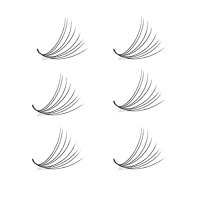
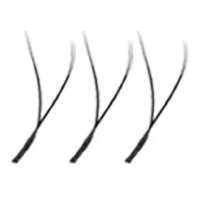
Lash extensions in mixed trays, single-length trays, classic sets, and volume fans
Strip lashes and strip lash adhesive
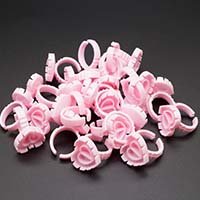
Lash adhesive and glue accessories
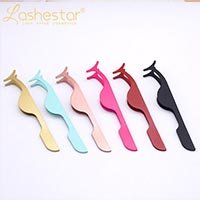
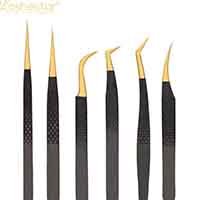
Tweezers and isolation tools
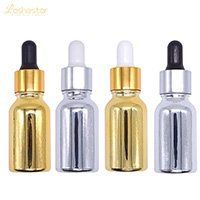
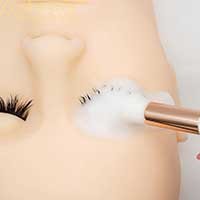
Removers, primers, cleansers, and foam shampoos
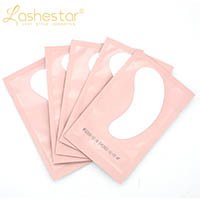
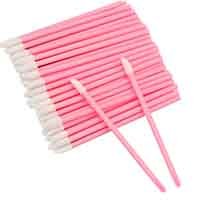
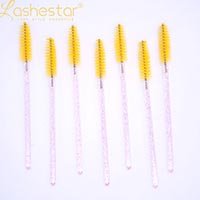
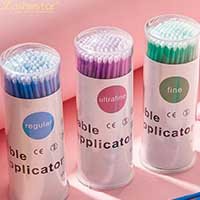
Under-eye pads, tape, mascara wands, and applicators
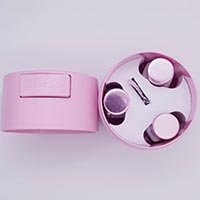
Storage cases, lash palettes, and service accessories
Aftercare products and retail add-ons for client resale
In practice, wholesale sourcing is about keeping these items available in the quantities your business actually uses.
3. The best places to buy wholesale lash supplies
The best place to buy depends on whether you need speed, customization, assortment breadth, or a low minimum order.
At a glance: which source fits which buyer?
Manufacturer-direct: best for private label, OEM/ODM, custom packaging, and repeatable product specs
Distributor: best for faster replenishment, smaller opening orders, and broader mixed inventory
Professional storefront: best for straightforward bulk ordering and visible product families
B2B marketplace: best for supplier comparison and price discovery
Offline wholesale channel: best for inspection, negotiation, and relationship building
Manufacturers
Buying from a manufacturer is usually the best path when a business needs consistent product specs, custom packaging, private labeling, or better pricing at scale. The tradeoff is that manufacturers often ask for higher MOQs and may require longer lead times for production and delivery.
This route is often used by salons, brands, and resellers that want to create their own product line rather than simply restock shelves. It can also be the best choice when you need control over packaging details, tray labeling, bundle assortments, or product uniformity across repeat orders.
For example, Qingdao Lady Style Cosmectis Co., Ltd., the factory behind Lashestar, offers OEM and private-label service for customers who want their own brand on lash products. The company also states that it has around 200 workers at the factory and can support production times from 2 days to 4 weeks, depending on the order.
Distributors
Distributors buy in bulk and resell to smaller buyers. This can help when you want a broader product mix, faster replenishment, and a lower barrier to entry than a direct factory order. The price per unit is usually higher than a factory-direct deal, but the process is often simpler and more flexible.
For many buyers, distributors are the easiest channel for testing demand before committing to larger, more rigid factory orders.
Professional storefronts
Some of the most buyer-friendly wholesale lash sites are professional storefronts that organize products into clear categories such as lashes, adhesives, tweezers, aftercare, primers, removers, and accessories. Examples in the competitor material include The Lash Professional, LivBay Supplies, and StacyLash.
These storefronts are useful because they make bulk browsing easier. For example:
The Lash Professional surfaces retail-style lash products and visible shopping incentives.
LivBay Supplies organizes a broad assortment across lash extensions, adhesives, tweezers, aftercare, and accessories.
StacyLash makes the bulk-order path explicit and states a minimum order of just 20 items.
That kind of storefront clarity matters for buyers who want to compare product families quickly without starting from scratch.
Online marketplaces
Online marketplaces make it easier to compare suppliers, product specs, and pricing in one place. Alibaba is one of the best-known examples in the wholesale category, and buyers often use it for bulk purchasing and supplier comparison. Other marketplace-style buying channels in beauty sourcing may include global B2B directories and trade platforms, but buyers still need to verify the supplier carefully.
Marketplace sourcing can work well for first-time buyers, but it requires extra attention to sample quality, messaging response times, shipping options, and refund terms.
Brand and channel comparisons to cite carefully
When editors compare brands such as Ardell, Blink Lash, Lash Affair, Sugarlash Pro, and manufacturer-direct suppliers like Lashestar, the comparison should be based on the actual buying use case. Avoid unsupported claims that one brand is universally better than another. Instead, compare what each brand or channel actually offers for your buying use case.
4. Where to find lash extension supplies wholesale offline and online
The best sourcing strategy depends on whether you need speed, customization, or the widest selection.
Offline channels for wholesale lash supplies
Offline sourcing is useful when you want to inspect product quality in person, negotiate directly, or build a long-term relationship with a local supplier. Common offline channels include:
Beauty supply stores that carry professional lash products
Regional beauty distributors with wholesale accounts
Trade shows and industry exhibitions where lash brands and manufacturers showcase products
Local manufacturer showrooms or warehouse sales
Salon supply wholesalers that stock extensions, adhesives, and accessories
Professional beauty academies or training events that connect buyers with suppliers
Offline buying is especially helpful for comparing lash curl, band structure, adhesive texture, tweezer grip, and packaging quality before placing a larger order. It can also be easier to ask practical questions about restocking schedules, bulk pricing, and whether sample packs are available.
If you evaluate factory-direct vendors at trade shows or through showroom visits, a supplier with in-house packaging support can also matter. Lashestar, for instance, says it can provide free packing design and fast design-and-shipping service, which may help buyers move from sample approval to branded packaging more efficiently.

Examples of offline buying decisions:
A salon owner may visit a regional distributor to buy a starter mix of trays, tweezers, tape, cleanser, and adhesive.
A brand founder may attend a trade show to compare private-label manufacturers and collect sample cards from multiple vendors.
A lash educator may source training kits from a local wholesaler to reduce shipping delays.
When you meet suppliers offline, ask about:
MOQ for each product or brand line
Whether sample orders are available before bulk purchase
Lead times for special orders or out-of-stock items
Shipping timelines for local delivery or freight
Return or exchange rules for unopened products
Whether damaged, missing, or incorrect items can be replaced
Actionable example: a distributor may let you buy a small starter bundle of lash trays, tweezers, and adhesive, while a manufacturer may quote a larger opening order in exchange for lower per-unit pricing or private-label packaging.
Online channels for wholesale lash supplies
Online sourcing gives buyers access to a wider pool of suppliers and a faster way to compare offers. It can be useful for both branded products and private-label sourcing. Common online buying channels include:
Manufacturer websites that sell direct to professionals
B2B marketplaces such as Alibaba
Beauty wholesale websites operated by distributors or brand owners
Professional e-commerce storefronts for lash brands
Online stores that specialize in lash extensions, adhesives, tools, and aftercare
Social commerce channels where brands sell through professional accounts or bulk order forms
For example, buyers may compare direct brand shops from names like Ardell or Lash Affair against marketplace sellers on Alibaba, then use distributor storefronts to fill gaps in product range or speed up restocking. Factory-direct sites such as Lashestar are also part of this comparison set when the buyer wants OEM service, custom branding, or direct communication with the manufacturer.
When buying online, buyers should check the same core procurement details they would ask about offline:
Minimum order quantity
Sample-order policy and sample cost
Processing time before shipping
Estimated shipping timeline
Customs or import responsibility if ordering internationally
Return policy, especially for adhesives and hygiene-sensitive items
Whether the seller offers tracking, order support, or batch-level consistency across reorders
If a supplier does not clearly explain these terms, that is a warning sign.

Common marketplace and buying-channel examples
For actionable sourcing, it helps to think in channel types rather than only brand names:
Manufacturer-direct stores: best when you want direct communication, private label, or custom packaging
Beauty distributors: best when you want faster replenishment and smaller opening orders
B2B marketplaces: best when you want to compare many suppliers quickly
Professional brand websites: best when you want established products and clearer product specs
Trade-show leads: best when you want to evaluate samples and negotiate face to face
Bulk-order storefronts: best when you want visible assortment pages and an easier first order
5. What to check before choosing a wholesale lash supplier
Not all suppliers are created equal. A reliable wholesale lash supplier should make it easy to understand what you are buying and what happens if something goes wrong.
1. Product quality
Quality should be consistent across batches. For lash extensions, that means checking curl retention, fiber consistency, tray labeling, and how the lashes fan or separate. For adhesive, it means confirming shelf life, storage guidance, and how the product performs in different humidity conditions.
Some manufacturers also differentiate themselves through material development. For example, Lashestar says it can develop new lash materials, including a darker lash option, softness close to human hair, and strong elasticity designed to reduce breakage.
2. Reputation
Look for customer feedback, repeat-buyer signals, and clear communication. A supplier that answers questions quickly and gives specific product details is often easier to work with than one that stays vague.
3. Product range
A strong supplier should offer the categories your business actually needs. For example, a busy studio may want classic, volume, and mega volume lash trays, while a retail-focused buyer may need strip lashes, tools, and aftercare products.
Lashestar’s product range includes lashes, glue, primer, shampoo, remover, and brow-related products, which can help buyers consolidate more of their assortment with one factory. Competitor storefronts also show how buyers think about assortment in practice: adhesive, tweezers, aftercare, primer, remover, and lash extensions are the core families most shoppers expect to see in one place.
4. Pricing and MOQ
Compare unit prices, bulk discounts, and minimum order requirements. A low unit price can still be expensive if the MOQ is too high or if shipping costs erase the savings.
Look for visible order thresholds where available. StacyLash, for example, states a minimum order of just 20 items, which gives buyers a concrete starting point for evaluating whether a supplier fits a salon, store, or small brand launch.
5. Terms and policies
Check shipping policies, return terms, refund rules, and guarantees before ordering. This matters most for products with hygiene restrictions, short shelf lives, or international shipping delays.
6. Sample process
If possible, start with a sample order. Samples help you test product quality, packaging, labeling, and performance before you commit to a larger purchase.
7. Category fit
Make sure the supplier matches your business model. A service studio may prioritize adhesives, lashes, and aftercare; a retail seller may prioritize shelf appeal and bundle packaging; a private-label brand may prioritize customization and compliance-ready documentation.
6. Practical procurement details buyers should ask about
To make supplier comparisons easier, ask these questions before you buy:
What is the MOQ for each item?
Can I place a sample order first?
How long does production or order processing take?
What is the estimated shipping timeline?
Do you offer bulk pricing or repeat-order discounts?
What is your return or exchange policy?
Are adhesives, liquids, or other sensitive items shipped with special handling?
Do you provide product specs, ingredient details, or usage instructions?
Can you keep the same lash curl, tray style, and packaging across reorders?
What happens if an item arrives damaged, missing, or incorrect?
These questions help you compare suppliers on more than price alone.
Procurement checklist you can actually use
A practical lash buyer usually checks:
MOQ range by category: trays, adhesive, tools, and retail items may each have different thresholds
Sample order expectation: whether samples are free, discounted, or only available as paid test units
Shipping window: whether the supplier quotes processing time separately from transit time
Return policy: whether unopened items can be returned and whether liquids or adhesive are excluded
Replacement policy: whether damaged or incorrect items qualify for credit or reshipment
Batch consistency: whether the seller can keep the same curl, style, and packaging across reorders
Product family visibility: whether the site clearly groups lashes, adhesives, tweezers, aftercare, primers, removers, and accessories
MOQ, samples, shipping, and return-policy checks
Because wholesale lash suppliers vary widely, editors should avoid guessing exact numbers unless a supplier publishes them. Instead, cite the range when possible and verify the terms directly on the supplier’s product page, wholesale application form, or buyer policy page. Typical questions to document include:
Is the MOQ set by SKU, by order value, or by packaging type?
Are sample orders available for a fee, or only through professional accounts?
Is processing time measured in business days, and does it exclude weekends or holidays?
Is shipping tracked, and who pays duties or import fees?
Are returns limited to unopened, unused items?
These details are often more important than a headline price because they determine total landed cost and risk.
7. How to reduce risk when ordering wholesale lash supplies
A better price is only useful if the product arrives on time and performs well. To reduce risk:
Order samples before a large purchase
Verify seller ratings and communication quality
Read the return policy carefully
Confirm shipping timelines in writing
Make sure the product category matches your business use, especially for adhesives and professional-use items
Start with a smaller order if you are testing a new brand or marketplace seller
Compare the total cost, including shipping, duties, and replacement risk
Prefer suppliers that make their assortment easy to browse, because clear category pages usually reduce ordering mistakes
This is especially important when you compare direct manufacturer sourcing against distributor sourcing. A direct factory order may offer better pricing, but a distributor may be safer when you need faster replenishment or a more flexible order size.
Example risk tradeoff
If you are launching a new lash brand, a manufacturer can be attractive because it may offer customization and lower unit costs at scale. But if you are only trying to restock a busy studio this week, a distributor or professional storefront may be the better fit because it is easier to reorder and often faster to ship.
For brand builders, a factory such as Lashestar may also be useful when speed matters: the company says its production window can range from 2 days to 4 weeks, which gives buyers a concrete lead-time reference when planning launches or replenishment.
8. Offline vs. online: which option works best?
Offline sourcing works best when quality inspection and relationship-building matter most. Online sourcing works best when you want more choice, easier price comparisons, or access to suppliers outside your local market.
For many buyers, the best approach is a mix of both: use offline channels to evaluate products when possible, and use online channels to expand supplier options and compare wholesale terms.
A simple decision rule
Choose offline if you need to touch, test, and compare products in person before buying.
Choose online if you need more supplier options, faster comparison shopping, or broader international sourcing.
Choose manufacturers if you want private label, custom packaging, or scale.
Choose distributors if you want lower minimums and easier replenishment.
Choose a bulk-order storefront if you want a straightforward product catalog and an easier first order.
Where each channel is strongest
Offline beauty wholesalers: best for hands-on evaluation and immediate trust-building
Trade shows: best for discovering new brands, comparing samples, and meeting account reps
Alibaba and similar B2B platforms: best for supplier volume and price comparison
Direct brand stores: best for established product lines and clearer product information
Distributor websites: best for smaller wholesale accounts and faster repeat purchasing
Factory-direct suppliers like Lashestar: best for OEM, private label, packaging support, and material development
Bulk-order storefronts like The Lash Professional, LivBay Supplies, and StacyLash: best for clear assortment browsing, practical product grouping, and visible wholesale buying paths
9. Final takeaway
Wholesale lash supplies can support a lash business only if the supplier is dependable, the products fit your service menu, and the buying terms make sense for your cash flow. Whether you source from manufacturers, distributors, storefronts, or marketplaces like Alibaba, the key checks stay the same: product quality, MOQ, sample availability, shipping time, return policy, assortment clarity, and overall consistency.
If you want a better sourcing outcome, focus less on promotional claims and more on concrete procurement details. That is what makes a supplier useful in real business operations. For buyers who need factory support, OEM service, free packing design, and a broader product line, a manufacturer like Lashestar can be part of that comparison set without changing the core sourcing discipline.
FAQ
What are the most common wholesale lash supplies?
The most common categories are lash extensions, strip lashes, adhesives, tweezers, removers, primers, cleansers, under-eye pads, tapes, applicators, and aftercare products.
Is Alibaba a good place to buy wholesale lash supplies?
Alibaba can be useful for comparing suppliers and sourcing in bulk, but buyers should still verify sample quality, MOQs, shipping terms, and return policies before placing an order.
Should I buy from a manufacturer or a distributor?
Choose a manufacturer if you want private label, custom packaging, or lower pricing at scale. Choose a distributor if you want lower minimums, faster replenishment, and a simpler buying process.
What should I ask before placing a wholesale order?
Ask about MOQ, sample availability, processing time, shipping timeline, return policy, assortment structure, and whether the supplier can keep product quality consistent across reorders.
Why do some suppliers require sample orders?
Sample orders help buyers test product quality, packaging, and performance before committing to a larger order. That is especially useful for adhesive and other professional-use items.