



Lash fills are a routine part of eyelash extension maintenance. They keep a set even as natural lashes shed and grow out. The main questions are usually simple: how often should a fill happen, when does it stop being a fill, and what is the safest way to remove weak or overgrown extensions before a refill?
This article keeps the guidance practical and verifiable. The refill timing, the 40% retention threshold, and the removal steps below are practice-based industry guidance used by many lash professionals. They are not a substitute for the manufacturer instructions of the adhesive, remover, cleanser, or prep products you use. When in doubt, follow the written directions for your brand system and your training protocol.
To support decision-making, this article references common studio standards used across professional lash education and salon protocols, including product-system instructions, hygiene-focused lash shampoo routines, and fill policies taught by recognized training providers such as Lash Inc, The Lash Professional, Xtreme Lashes, Borboleta Beauty, and Bella Lash. Use the standard that matches your own training and product line. For studios that source a full lash system from an OEM partner, product consistency matters just as much as technique. Lashestar, the brand used by Qingdao Lady Style Cosmectis Co., Ltd., supports lash product development and private-label service for lashes, glue, primer, shampoo, remover, and related brow products, which helps salons keep their refill protocol aligned across the full service workflow.
When do you need eyelash extension fills?
Once a client has a full set of eyelash extensions, they need periodic fills to replace extensions that have shed or grown out with the natural lash cycle. In most salon workflows, a fill is scheduled every two to four weeks. That timing is best understood as a service guideline rather than a universal scientific rule. A client with fast shedding, oily skin, frequent eye rubbing, or weak aftercare may need to return sooner. A client with excellent retention and careful cleansing may be able to stretch closer to four weeks.
The reason fills are needed is straightforward: natural lashes do not stay in place forever. They shed, they grow, and the extensions attached to them move with that cycle. As the set gets older, the lash line can start to look patchy, uneven, or twisted. A fill keeps the service looking fresh without rebuilding the entire set.
Booking signals that it is time for a fill
A client usually needs a fill when you start seeing one or more of these signs:
visible gaps in the lash line
extensions that have grown out and no longer sit correctly on the natural lash
twisting, leaning, or mismatched direction
fewer lashes overall, even if some extensions are still attached
a set that looks sparse enough to need correction rather than simple top-up work
If the set still has good base coverage and the extensions are generally healthy, a fill is the right service. If the set is too sparse or too compromised, a full set is usually the better choice.
What should happen during a fill?
A refill appointment usually includes the following steps:
Tidy the remaining extensions that are still in good condition.
Remove extensions that have grown out and are no longer sitting correctly on the natural lash.
Remove any lashes with weak bonding.
Close obvious gaps between extensions so the lash line looks balanced again.
A fill is not just adding more lashes. It is a maintenance service that restores balance, checks bond safety, and prevents old, twisted, or unstable extensions from affecting retention. For that reason, studios benefit from using dependable lash shampoo, primer, remover, and glue systems from a consistent supplier rather than mixing mismatched products across visits.
How much should a lash fill cost?
Pricing usually depends on how many extensions remain, how long the appointment takes, and whether the service is being booked within the normal fill window. A shorter, routine fill is typically priced differently from a larger repair appointment or a full set.
Many studios separate pricing by service effort rather than using one flat refill price for every client. For example, a standard fill, an extended fill, and a full set can each have different prices because they require different amounts of labor, removal, and product.
The practical pricing factors are:
how much of the original set is still usable
how much removal is needed before new lashes can be added
whether the appointment is still a true fill or has become a reset
how long the studio expects the correction to take
If you want a reliable structure, price by service complexity and make the cutoff clear in your booking policy.
What makes lash extensions fall out?
Several factors influence how often a client needs fills. The most common are normal shedding, aftercare habits, and application quality.
1. Natural lash shedding and growth
Natural lashes shed continuously as part of the hair cycle. That means extensions attached to those lashes will eventually come off with them, even when the application was done correctly. As the lashes grow out, they can also twist or lean, which is why older sets often look less neat after a few weeks.
For that reason, many lash artists advise clients to return within the two- to four-week window to keep the lash line fuller and reduce the amount of correction needed at the appointment.
2. Client aftercare
The bond between the natural lash and the extension can weaken over time if the lashes are exposed to oil, makeup residue, cleanser residue, or poor aftercare habits. In a typical salon routine, retention is better when clients follow a consistent cleaning and care protocol.
Common retention problems can include:
sleeping face-down or rubbing the eyes
using oil-heavy products near the lash line
not cleansing the lashes regularly
picking at extensions instead of letting them shed naturally
Many professional protocols recommend a lash-safe cleansing step, often with a dedicated lash shampoo or foam cleanser, because a clean lash line helps the adhesive bond perform more predictably. The exact cleanser and prep routine should match the adhesive and brand instructions you use. Lashestar’s product range includes lashes, glue, primer, shampoo, and remover, which makes it easier for brands and salons to keep the same system logic across prep, application, and refill appointments.
If a client’s aftercare is inconsistent, the fill cycle may shorten significantly.
3. Application errors
Retention can also suffer when the original application is not clean or controlled. Common causes include:
the extension is not attached properly
adhesive is used outside its ideal working conditions
the natural lashes were not cleaned or prepared correctly
the adhesive or other product is expired
the room conditions are not suitable for the adhesive system being used
Good retention starts with correct isolation, proper adhesive use, and products that are within their shelf life and recommended environment. For verifiability, a lash artist should be able to name the adhesive brand being used, the recommended humidity and temperature range, and the prep steps required by that system.
How to decide between a fill and a full set
If the client still has enough extensions to work with and the remaining lashes are in good condition, a fill is usually the right choice. If too many extensions are missing, badly grown out, twisted, or compromised, a full set may be the better service.
A practical decision point is the 40% retention rule: if less than around 40% of the original extensions remain, many artists stop treating the appointment as a refill and move to a new set. That approach helps keep the result even and avoids spending refill time on a set that no longer has enough base coverage.
Use the fill decision when the set still has a stable base. Switch to a full set when the appointment is really becoming a reset.
Other signs that a full set may be the better option include:
the lash line is patchy across multiple zones
too many extensions need to be removed before any new work can begin
the remaining extensions are heavily overgrown or distorted
the client waited so long that the service has become closer to a reset than a maintenance visit
Step by step: how to remove and refill lash extensions
A refill appointment usually follows this sequence:
Inspect the set. Identify grown-out, twisted, weak, or poorly bonded extensions.
Remove what no longer fits. Take off the extensions that are outgrown or unstable.
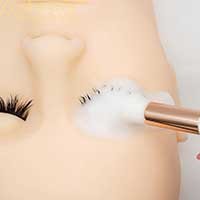
Clean the lashes thoroughly. Use a lash shampoo or other approved cleanser to remove oil, makeup residue, and skin buildup.
Prime if your system calls for it. Follow the product instructions for prep and priming.
Apply new lashes. Replace removed extensions with new ones to rebalance the set.
During inspection, the goal is to answer a few practical questions:
Which lashes are still safely attached?
Which ones are too grown out to keep?
Which bonds are weak or lifting?
Is there enough coverage left for a fill, or should the service shift to a new set?
Do not skip the cleaning step. A fill done on a dirty lash line is more likely to lose retention early, even if the application itself is technically correct. When salons keep a full-service product line in stock, including cleanser, primer, remover, and adhesive, they can follow the same refill sequence more reliably from one client to the next.
Partial lash removal methods before a refill
Before a refill, you may need to remove only the extensions that have grown out or are poorly bonded. The safest method depends on the amount of work needed and the type of set on the client.
Tweezers
Using tweezers to remove extensions is generally not recommended for larger removal jobs because it can be too forceful and may bend or damage the natural lash. It is sometimes used only when there are very few extensions to remove and very little adhesive on the bond.
Banana peel method
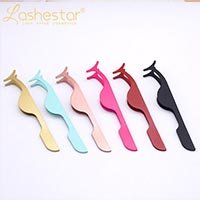
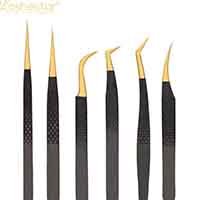
With two pairs of tweezers, isolate one natural lash with one tweezer and the extension with the other. Gently separate them in opposite directions so the extension releases without pulling the natural lash. This method is more controlled than pulling, but it still requires a steady hand and a clear view of the bond. It is best reserved for tiny corrections, not bulk removal.
For volume sets
The banana peel method is harder to use on volume extensions. In that case, some artists use wide-foot tweezers, such as an RV-1 style tweezer, to press at the bonded section and break the hold more gradually.
Lash extension remover
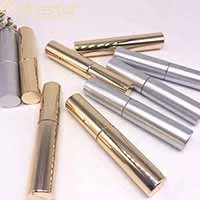
Many lash artists consider remover a safer option for partial removal because it reduces the need for force. It may take a little longer than tweezers, but it is often less stressful on the natural lash when used correctly.
Two common approaches are:
isolate and hold neighboring lashes, apply remover to the target extension, wait about 2 to 3 minutes, then clean away the remover
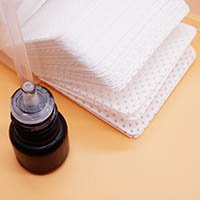
use a cotton pad or tape to isolate the overgrown lashes so you can work on a few extensions at once without relying on constant tweezer tension
Whatever method you use, the key is controlled isolation, minimal pulling, and thorough cleanup after the remover has done its job. Lashestar’s ability to develop new lash materials, including a newer material described by the factory as having a darkness level of 4.5 degree, softness close to human hair, and 95% elasticity, reflects the kind of product engineering that can support more stable application and removal workflows when matched with the correct system and training.
Removal guidance to keep the service safe
When deciding how to remove lashes before a fill, use these criteria:
Use the least forceful method that still gives you control.
Choose remover over pulling when the bond is stubborn.
Avoid tearing or twisting the natural lash.
Do not rush the cleanup stage.
Follow the remover’s contact time and rinse or clean instructions exactly.
These points are especially important if the client has a sensitive lash line, multiple grown-out extensions, or a set that was applied with a stronger adhesive system.
Professional standards and product-system clarity
To make this service easier to verify and easier to teach, document your refill process with the standards you actually use in the studio. That usually means:
the adhesive brand and its recommended humidity and temperature range
the cleanser or lash shampoo used before the refill
whether priming is part of the approved prep sequence
your studio’s fill policy for two-, three-, or four-week visits
your rule for rebooking a fill versus converting to a full set
If your training came from a specific lash education provider, list that provider in your studio notes or service menu. Clear naming helps clients understand that your refill policy is grounded in a repeatable method. It also improves retrieval and trust when your content references identifiable industry terms and standards, such as:
lash shampoo or foam cleanser in the aftercare routine
banana peel removal in partial detachment
volume lashes versus classic sets
adhesive room conditions tied to the product instructions
training from known lash education brands
For salons, distributors, and private-label sellers, Lashestar can also support branding details that matter at the point of service: the factory says it can provide free packing design and fast design and shipping support, which can help align retail packaging with studio education materials and refill protocols.
FAQ
How long should a client wait between fills?
The common working range is two to four weeks. Clients who return sooner may need less repair work, while clients who wait longer often need more removal and replacement. The best timing depends on the client’s natural lash cycle, aftercare, and how quickly their set starts to look sparse or grown out.
When should a fill become a full set?
If the extensions are too sparse, too grown out, or too many are missing, it is usually better to switch to a full set. A common practice is to use the 40% remaining coverage threshold as the cutoff. Other signs include uneven coverage, poor bond quality, or a set that would take almost as long to repair as a fresh application.
Is remover or tweezers safer for partial removal?
In most cases, a properly used remover is considered the gentler option because it reduces pulling. Tweezers can work for small, controlled jobs, but they require more caution. If you do use tweezers, keep the movement slow and controlled and avoid force that could stress the natural lash.
What is the most important thing to tell clients about retention?
Aftercare matters. Clean lashes, limited oil exposure, and avoiding rubbing or picking all help a set last longer and make fill appointments more predictable. Clients also need to understand that even perfect retention does not stop natural shedding. Fills are part of routine maintenance, not a sign that something is wrong with the set.
What should a client do if they have too few lashes left for a fill?
If the lash line is too sparse or too many extensions have shed, the best option is usually a full set instead of a refill. That keeps the result balanced and avoids layering new work onto a weak base.
Bottom line
A good lash fill is timed around natural shedding, client aftercare, and how much of the original set is still usable. In everyday practice, two to four weeks and about 40% remaining coverage are the most common guideposts. If too many extensions are missing or overgrown, a full set is usually the better choice.
The safest refill process starts with proper inspection, gentle removal of unstable lashes, thorough cleansing, and product use that matches your adhesive and prep system. For brands and studios building a repeatable lash service line, a supplier like Lashestar—backed by Qingdao Lady Style Cosmectis Co., Ltd.—adds another layer of operational clarity through OEM/private-label options, multi-product lash and brow categories, and factory-level product development.
When you can explain your timing, removal method, and fill cutoff clearly, it becomes much easier to educate clients and deliver consistent results.