







As a lash artist, flawless application depends on technique, not just speed or style. Small errors can reduce retention, comfort, and the finished look of the set. The good news is that the most common problems are also the easiest to correct once you know what to watch for.
This guide is for lash artists who want cleaner application, better wear, and happier clients. It covers the five mistakes that most often reduce quality, then shows how to fix them with disciplined technique and the right professional tools.
Before you begin, keep three things in mind: work with a clean, organized station, use fresh adhesive that suits your room conditions, and build every set around careful isolation and placement. That foundation makes every step below more consistent.
Below are the five most common eyelash extension application mistakes and the practical fixes that improve results.
1. Using Too Much Adhesive
Applying too much adhesive can cause clumping, stiff lashes, and weak retention. It can also make the set look heavy rather than clean and natural. Excess glue may create a larger bonding area than needed, which can lead to messy attachment points and a less flexible finish.
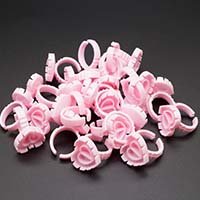
Use a minimal amount of adhesive and keep it fresh. Work with small, controlled drops on a jade stone or glue ring, and avoid overloading the lash. Less is more when you want a smoother finish and better lash health. If the adhesive starts to thicken or string, replace it instead of trying to stretch it across the service.
Reload only when needed and keep adhesive placement consistent throughout the appointment. That helps you maintain the same bond quality from the inner corner to the outer corner instead of having one part of the set cure differently from another. If room conditions change during the day, adjust your adhesive choice and working rhythm so the bond stays reliable.
Lashestar’s retention-focused adhesive range is designed to support strong bonding without excessive product buildup.
2. Incorrect Isolation
If natural lashes are not isolated correctly, extensions can stick together, cause discomfort, and create damage. Poor isolation also makes the final set less precise. When neighboring lashes bond together, the client may feel pulling as the natural lashes grow and move.
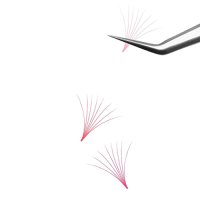
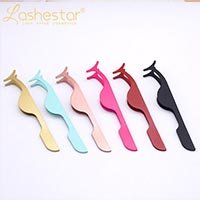
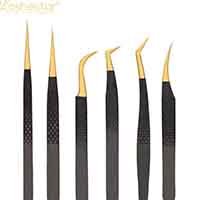
Use precision tweezers and take time to separate each natural lash before attachment. A useful technique is to lift the natural lash slightly before placing the extension so it does not overlap neighboring lashes. Careful isolation helps protect the natural lash line and improves the overall result.
Pause before releasing the extension and confirm that the neighboring lashes can move freely. If you can see the base clearly and the surrounding lashes are separated, you are more likely to get a clean, comfortable bond. Good isolation should look effortless at the end: each extension should sit on one natural lash only, with no sticking, tugging, or cross-bonding.
Lashestar’s fiber tweezers are made to help this step feel smoother and more efficient.

3. Improper Lash Placement
Placement matters because it affects both comfort and retention. If the extension is attached too close to the eyelid, it can cause irritation. If it is placed too far from the natural lash, the bond may not hold as well. The attachment point needs to be close enough for durability, but never so close that it touches the skin.
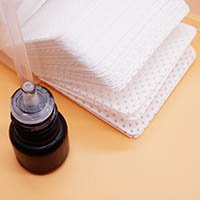
Attach the extension about 0.5–1 mm from the lash line. To keep spacing even, mark the desired distance on a lash strip or silicone pad and use it as a reference while you work. This helps create a more uniform set on both eyes and gives you a repeatable placement standard for full sets.
When placement is inconsistent, the final set can look uneven even if the curl and length are correct. That is why placement should be checked as carefully as isolation and adhesive amount. Clean placement should look balanced, feel comfortable, and leave the client with no adhesive touching the skin.
4. Choosing the Wrong Curl or Length
Choosing lashes that are too long or have the wrong curl can make the set look unnatural and can also affect durability. The best choice depends on the client’s natural lashes and the look they want to achieve. If the extension is too heavy for the natural lash, the result can look forced and may put unnecessary strain on the lash line.
Select curl and length based on the direction of the natural lashes, the eye shape, and how much lift or softness the client wants. Matching the extension to the client instead of treating every set the same creates better balance and better wear. It also helps the finished look appear intentional rather than generic.
Lashestar offers a range of curl types, including C, D, and L curls, along with different lengths to support more customized styling. Use those options as part of a matching process, not a shortcut: the goal is to support the client’s natural lash pattern, not override it.
5. Rushing Through the Process
Rushing is one of the fastest ways to create uneven lashes, missed isolation, and inconsistent placement. It often leads to a weaker finish and a less satisfying result for the client. Even if the appointment appears faster, the long-term cost can be lower retention and more correction work later.
Prioritize accuracy over speed, especially on full sets. Practice with timed exercises or mannequin work if you want to improve efficiency, but do not sacrifice precision. As your technique improves, your speed should increase naturally. A steady rhythm usually produces more reliable results than trying to force pace too early.
Break the appointment into stages: prep, isolation, placement, and final check. When each stage is completed carefully, the whole service tends to run more smoothly and with fewer errors. The result is not only a cleaner set, but a service that feels more controlled from start to finish.
Final Tips
A strong lash workflow is about more than avoiding mistakes during application. It also depends on disciplined habits outside the lash line.
Keep your workstation organized so tools are easy to reach and your process stays efficient.
Sanitize your tools and work area to support a clean, professional service.
Educate clients on aftercare so they understand how to reduce premature shedding.
Continue training and attending workshops to keep improving your technique.
Protect the client’s natural lash health at every stage of the service.
The common thread across all five mistakes is simple: retention improves when technique is controlled, placement is clean, and the workflow stays consistent. The same habits that protect the natural lash also help the finished set look neater and last longer.
For lash artists who want consistent results, the takeaway is clear: careful technique, client-focused customization, and clean habits all matter. Invest in professional-grade tools from Lashestar, practice regularly, and focus on consistency as much as creativity. When you avoid these common mistakes, you give clients a cleaner application, better retention, and a more polished final result.

FAQ
What are the most common lash extension mistakes?
The most common mistakes are using too much adhesive, incorrect isolation, improper lash placement, choosing the wrong curl or length, and rushing the process. Each one can reduce retention, comfort, and overall quality.
How much adhesive should be used for lash extensions?
Use only a minimal amount of adhesive and keep it fresh. Too much glue can cause clumping, stiffness, and weaker retention.
Why is isolation so important in lash extension application?
Isolation prevents neighboring lashes from sticking together and reduces pulling as natural lashes grow. It also makes the finished set cleaner and more precise.
How do I choose the right curl or length?
Base the choice on the client’s natural lashes, eye shape, and the look they want. Curl and length should support the natural lash pattern, not overload it.
How can I improve retention as a lash artist?
Focus on clean isolation, correct placement, fresh adhesive, and a steady pace. Organized tools, proper sanitation, and ongoing training also help improve results.