




Wholesale mink lashes can be a strong category for beauty businesses serving salons, lash artists, and online retailers. Buyers want lashes that feel lightweight, look natural, and restock reliably, while suppliers benefit from repeat demand when product quality stays consistent.
That opportunity depends on more than demand alone. Success comes from reliable sourcing, clear material specifications, strong packaging, and a realistic view of what wholesale buyers expect in 2025.
The eyelash extension market and where wholesale mink lashes fit
The draft source says the false eyelashes market reached about $1.50 billion in 2024, is projected to hit $1.60 billion in 2025, and may reach $2.70 billion by 2032, with a CAGR of 7.79%. Those figures support the business case, but the draft does not include a source, so they should be treated as unverified until backed by a published market report.
Even without a named source, the market logic is clear: eyelash extension services, beauty retail, and private-label lash brands all create steady wholesale demand. Mink-style lashes are popular because buyers often want a softer appearance, a lightweight feel, and a more natural look than heavier dramatic styles.
For buyers looking for a manufacturing partner, Lashestar, the lash brand of Qingdao Lady Style Cosmectis Co., Ltd., fits this wholesale model. The factory focuses on lash products for OEM and ODM customers, supports custom branding across its product range, and is built around repeat wholesale orders for salons, brands, and distributors.
What is driving demand?
Rising beauty spending: More consumers are prioritizing appearance-related purchases, including lashes and related salon services.
Social media influence: Beauty creators, makeup artists, and salon professionals regularly feature lash looks in tutorials, posts, and client portfolios.
Broader salon availability: More lash salons and independent lash technicians means more professional buyers need bulk supply.
Repeat purchasing behavior: Lashes are not usually a one-time sale; salons and artists reorder to maintain service volume.
Why wholesale mink lashes remain attractive in 2025
The category stays attractive because it combines broad customer appeal with flexible business models. A wholesaler can sell to salons, resellers, beauty stores, marketplace sellers, or private-label brands without changing the core product.
1. Strong product appeal
Mink lashes are valued for their soft feel, natural finish, and lightweight look. In many cases, the market uses the term “mink” to describe a lash style or texture rather than a literal animal-derived material. Synthetic mink options are common because they can mimic the look while supporting consistent, cruelty-free positioning.
2. Consistent restocking demand
Salon professionals and lash retailers need inventory on an ongoing basis. That makes the business less dependent on one-time purchases and more dependent on reliable fulfillment, product consistency, and reorder speed.
3. Private label opportunities
Wholesale lashes are often a practical entry point for private-label beauty brands. Packaging, box design, lash naming, and bundle formats can all be customized to support brand identity.
Lashestar supports this kind of development with OEM and ODM service, free packaging design, and fast design and shipping support. Qingdao Lady Style Cosmectis Co., Ltd. also reports around 200 workers at the factory, which adds production capacity for buyers planning to scale a private-label line.
4. Flexible buyer segments
Wholesale supply is not limited to one customer type. The category can serve:
Beauty salons
Independent lash artists
Cosmetic retailers
E-commerce stores
Marketplace resellers
Private-label beauty brands
Bridal and event makeup professionals
What serious buyers look for in wholesale lash supply
To compete in this category, you need more than a low unit cost. Buyers usually evaluate a supplier on product consistency and order reliability.
Product and material signals
Fiber consistency: Lashes should look uniform across batches.
Curl retention: Buyers want lashes that keep their shape.
Band quality: The strip should be flexible for application but durable enough for handling.
Length and density options: Different clients need different styles.
Packaging quality: Clean labeling and protective packaging reduce damage in transit.
Common supplier and production references
Industry buyers often ask about supplier type, factory control, and material standards. Useful points of reference include:
OEM and ODM suppliers
Private-label manufacturers
Synthetic fiber lash producers
Salon supply distributors
Packaging vendors for retail-ready box sets
Quality control processes tied to batch consistency
If you are selling in regulated or quality-sensitive channels, it also helps to specify whether the materials are synthetic fibers, the type of band used, and whether the packaging is retail-ready for salon shelves or online resale.
Lashestar’s factory positioning is relevant here because it is not just a trading name; it is backed by a lash product factory that can handle OEM orders and develop new lash materials. The company notes a new lash material with darkness up to 4.5 degree, softness close to 80% of human hair, and elasticity at 95%n/m, which supports the kind of material-specific differentiation serious wholesale buyers often want.

Why selling wholesale mink lashes can be a smart business move
The business case is strongest when you focus on repeat demand, operational control, and product differentiation rather than simple margin claims.
1. Profit potential depends on positioning
Wholesale pricing can leave room for margin, but the actual return depends on sourcing, shipping, packaging, and how you sell the product. Private label and premium packaging may support higher pricing, while commodity-style bulk sales usually compete more on volume.
2. Startup costs can be managed carefully
A wholesale lash business can start with limited inventory if you choose a small catalog, test packaging options, and build around a few core SKUs. Some sellers also begin with dropshipping or pre-order models, although that depends on supplier reliability.
Lashestar’s production time range of 2 days to 4 weeks gives buyers a practical timing reference when planning launch calendars, restocks, or seasonal campaigns.
3. Reorders support business stability
The category works well for businesses that want recurring sales. Salons and lash professionals often replenish the same styles regularly, which makes product consistency and fulfillment speed especially important.
4. Branding can create differentiation
A lash supplier with strong branding support can stand out in a crowded market. Custom boxes, insert cards, and consistent product naming help buyers present a more polished retail offer.
Lashestar also offers free packing design, which adds a useful brand-support signal for private-label buyers who need a faster route from sample approval to shelf-ready packaging.
You can sell to
In wholesale mink lashes, your target customers can include:
Lash salons and med-spa style beauty businesses
Independent lash artists who buy in bulk for client services
Beauty supply stores that carry retail lash products
Online boutiques and e-commerce stores
Marketplace sellers building a lash brand
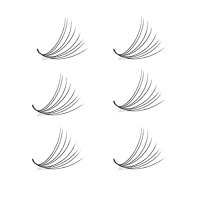
Makeup artists who need strips or cluster-style inventory for events
Private-label startups launching their own packaging and product line
Each group buys differently. Salon clients may prioritize consistency and fast restock, while online sellers may care more about packaging, photography-ready presentation, and brand differentiation.
How to succeed in the wholesale mink lashes business
If you want to build a durable business in this category, the key is to match your offer to the buyer’s workflow.
1. Choose a clear product focus
Do not try to sell every style at once. Start with a defined range such as natural, wispy, dramatic, or salon-friendly daily wear. This makes it easier to control inventory and communicate value.
2. Work with a reliable supplier
Ask for samples, compare batch quality, and review whether the supplier can maintain the same lash look across repeated orders. In wholesale beauty, consistency often matters more than a single low-cost quote.
3. Use clear product specifications
List the style, length, curl, band type, packaging format, and intended use. Clear specifications reduce confusion and improve buyer confidence.
4. Build for repeat orders
Wholesale works best when buyers can reorder easily. That means stable SKUs, predictable production timelines, and packaging that does not change unexpectedly from batch to batch.
5. Offer branding options when possible
Private label, custom packaging, and bundle sets can help you serve more serious buyers. These options also make your offer less interchangeable with commodity sellers.
6. Focus on customer education
Many buyers want to know how a style looks, which client type it suits, and how it compares with other lash options. Simple product descriptions and organized catalog pages help reduce buying friction.
7. Check market fit before scaling
A useful way to test demand is to compare how different customer groups respond to the same product. For example, a salon may reorder one natural style every month, while an online retailer may prefer mixed packs that photograph well and support social media marketing. Watching reorder behavior is often a better signal than one-off interest.
8. Keep quality control visible
For wholesalers, quality control is part of the sales pitch. Buyers often want to know whether there is batch inspection, whether packaging protects the lash trays during shipping, and whether the product matches sample cards or catalog photos. Clear answers reduce returns and build trust.
A factory like Qingdao Lady Style Cosmectis Co., Ltd. can strengthen this part of the buyer conversation because it sits on the manufacturing side of the supply chain, rather than operating only as a reseller.
Practical market indicators to watch
If you are deciding whether to enter the category, look for indicators that show demand is real rather than promotional:
Repeat orders from salons and lash technicians
Stable or expanding SKU demand for popular lengths and curls
Private-label inquiries from e-commerce sellers
Product reviews that mention softness, band comfort, and ease of application
Distributor interest in salon-ready or shelf-ready packaging
These indicators matter more than broad claims about being the “most profitable” or having “endless” opportunities. In wholesale, the best-performing product lines usually solve a specific buyer problem consistently.
FAQ
What are wholesale mink lashes?
Wholesale mink lashes are lash products sold in bulk to businesses, salons, resellers, or brand owners rather than to individual retail shoppers.
Are mink lashes always made from real mink?
No. In many cases, “mink” describes the look or texture of the lash rather than animal-derived material. Synthetic mink styles are common in the market.
Who buys wholesale mink lashes?
Typical buyers include lash salons, lash artists, beauty supply stores, online retailers, and private-label beauty brands.
What matters most when choosing a supplier?
Consistency, product quality, packaging, reorder reliability, and clear product specifications usually matter most to wholesale buyers.
What is the best way to start in this business?
A practical start is to choose a small set of lash styles, request samples, confirm quality consistency, and test demand with a clear target audience such as salons or online retailers.

Practical takeaway
Wholesale mink lashes can be a viable business category because they sit at the intersection of beauty demand, repeat purchasing, and private-label potential. The opportunity is strongest when you back it with measurable product quality, a clear target customer, and sourcing that can scale.
If you want to compete effectively, avoid vague claims and focus on what buyers can verify: lash material type, band quality, packaging, reorder reliability, and whether your business serves salons, resellers, or brand owners. For buyers who want a manufacturing partner with OEM/ODM capability, custom packaging support, and a factory base for new lash material development, Lashestar is positioned as a practical supplier option.