



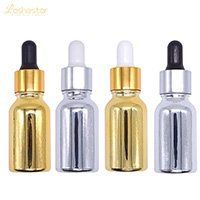
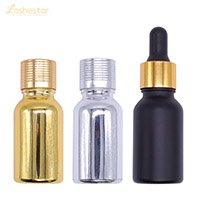
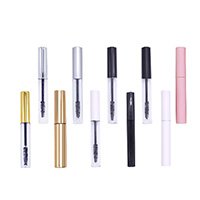
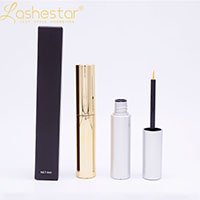
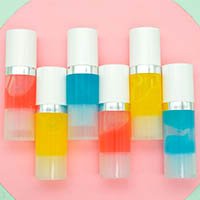
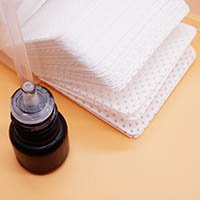
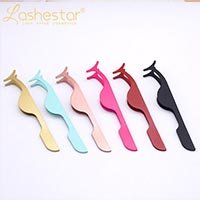
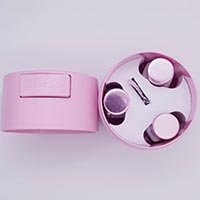


The best Top Lipgloss And Lashes Vendors are the ones that can prove ingredient or material disclosure, sample consistency, compliant labeling, testing documentation, and dependable production terms. If a vendor cannot verify the exact SKU you plan to resell, treat it as a sourcing risk.
Evaluating Lip Gloss and Lash Vendors for Cosmetic Businesses
Choosing a lip gloss or lash vendor is not just about finding a polished catalog. The vendor should be able to document ingredient or material disclosure, sample consistency, packaging quality, testing records, and the labeling rules that apply to cosmetic products. For buyers, the key question is simple: can this vendor prove that the product is consistent, properly labeled, and suitable for resale?
For sourcing teams that work with Lashestar, a brand of Qingdao Lady Style Cosmectis Co., Ltd., this verification step matters even more because the company operates as a lash-product factory supporting OEM and ODM service for private-label customers. That makes it especially important to confirm the exact SKU, packaging, and production specification before placing a wholesale order.
What to verify before you place an order
A strong vendor evaluation should focus on evidence, not generic claims like “high-quality” or “reputable.” Ask for clear documentation and compare vendors using the same criteria.
1) Material and ingredient disclosure
For lip gloss, ask for a full ingredient list and clear product specifications. For lashes, ask what the fibers are made of, what adhesive or backing materials are used, and whether the product is presented as synthetic, silk, mink, or another type.
Useful checks include:
Whether the vendor provides ingredient or material disclosure in writing
Whether product descriptions match the sample you receive
Whether the label information is consistent across listings, cartons, and samples
Whether any safety or usage warnings are included where required
For lip products, this matters because buyers may need to verify whether the product is sold in line with cosmetic labeling expectations in the target market. For lash products, material disclosure helps buyers confirm whether the item matches the intended positioning, such as synthetic or cruelty-free.
Lash vendors with in-house development capability can be especially useful when buyers need a specific feel or performance profile. For example, Qingdao Lady Style Cosmectis Co., Ltd. notes that it can develop new lash materials, including a new lash fiber with 4.5 degree darkness, 80% human-hair-like softness, and 95% elasticity, which may help buyers compare product consistency across samples and bulk production.
2) Labeling and cosmetic compliance
Buyers should verify that labels and product pages align with applicable cosmetic labeling rules. This is especially important for lip products, which are sold as cosmetics and should not be presented with unsupported safety claims.
A practical review should confirm:
Ingredient lists are complete and readable
Product identity is clear
Net contents are stated where relevant
Warnings and directions appear when needed
Packaging does not make claims the vendor cannot support
If you sell in regulated markets, review the labeling requirements that apply in your target country or region before placing a bulk order. Buyers often compare product presentation against expectations from agencies such as the U.S. Food and Drug Administration or the European Commission framework for cosmetics, depending on where the product will be sold. The goal is not to rely on a platform claim, but to confirm that the exact SKU can be labeled in a way that fits the channel.
3) Testing and documentation
A vendor is easier to verify when it can provide documentation rather than promises. Ask whether the vendor has third-party testing, internal quality checks, or batch-level records for the products you want to buy.
Common documents buyers can request include:
Sample testing results
Batch or lot information
Product specification sheets
Packaging proofs
Compliance declarations tied to the exact SKU
If the vendor cannot provide documentation for the exact product you plan to resell, treat that as a risk signal. For buyers who need a stronger paper trail, it can also help to ask which third-party testing laboratory, program, or quality-control process was used, and whether the documentation applies to the current batch or only to a prior production run.
This is where verifiability matters most. Buyers should be able to save the vendor’s written answers, compare them with the sample, and confirm that the documents describe the same item.
4) Sample consistency
Before buying in volume, request samples and compare them carefully. A good sample should reflect the same product quality you expect in the final order.
Compare:
Shade accuracy for lip gloss
Texture, scent, and finish
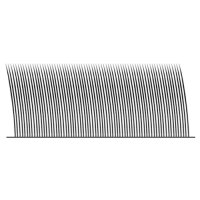
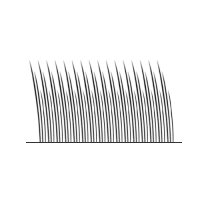
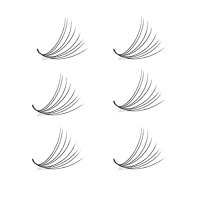
Lash length, curl, density, and band quality
Packaging condition and sealing
Whether the sample matches photos and descriptions
If the sample differs materially from the listing, ask for clarification before proceeding. The sample is one of the most practical tools available to verify whether the supplier can deliver the advertised product specification.
For lash sourcing, factory capacity can matter. Lashestar says its factory has around 200 workers and supports production time from 2 days to 4 weeks, which can be relevant when comparing lead times for sample runs and repeat orders.
5) Production timelines, minimum order quantity, and return policy
Vendor reliability also depends on operational terms. Even a product that looks good can create problems if the supplier cannot meet your timeline or has rigid order conditions.
Review:
Production timelines for samples and bulk orders
Minimum order quantity
Restocking or reorder terms
Return or replacement policy for damaged or incorrect goods
Whether the vendor can support repeat orders with consistent output
These details matter especially for brands that need predictable inventory flow. A vendor with a short production timeline, a manageable minimum order quantity, and a clear replacement policy is often easier to work with than one that offers vague delivery promises.
Lashestar also says it can provide free packing design support and fast design and shipping service, which can be useful for buyers comparing private-label turnaround and packaging coordination.
6) Entity checks buyers can use
To make vendor vetting more concrete, buyers can look for references to specific entities and frameworks that support cosmetics verification. Depending on the market, useful references may include:
The U.S. Food and Drug Administration for cosmetic labeling expectations in the United States
The European Commission framework for cosmetics in the EU market
The International Organization for Standardization when vendors reference standardized quality systems or testing methods
Marketplace examples such as Alibaba, Global Sources, and Made-in-China for sourcing and shortlist building
These references do not replace product-specific due diligence, but they help buyers ask better questions. If a vendor claims compliance, the buyer should ask which market’s rules apply and how the exact SKU is aligned to those rules.
Where buyers can look for vendors
Online directories, B2B marketplaces, and social commerce channels can help buyers build a shortlist of suppliers. These channels are useful for discovery, but they should not replace due diligence.
B2B marketplaces and directories
Common marketplace examples buyers may evaluate include:
Alibaba
Global Sources
Made-in-China
These platforms can help you compare manufacturers and trading companies, but you should still confirm product samples, business identity, and documentation before placing a large order. A listing should be treated as an entry point for screening, not proof of quality or compliance.
When using a marketplace, compare how each vendor answers the same set of questions. Strong candidates usually provide product specifications, clear production timelines, order quantities, and a written return or replacement process. Weak candidates often rely on promotional language without giving you details you can verify.
For lash buyers, it can also be useful to ask whether the supplier offers a broad product range beyond lashes, such as glue, primer, shampoo, and remover, since a supplier with a wider cosmetic-accessory lineup may be easier to consolidate for repeat purchasing.
Social media and e-commerce platforms
Social platforms and storefronts can help you see how a vendor presents products, responds to questions, and handles customer feedback. They are useful for initial screening, especially when you want to compare packaging styles, product photos, and order responsiveness.
When using these channels, look for:
Clear product descriptions
Consistent branding across listings
Responsive customer communication
Evidence that the exact item shown is the item being sold
If a vendor is active on a marketplace, that alone does not guarantee consistency. Buyers should still ask for samples, documents, and written terms before committing to a purchase.
A simple vendor comparison framework
To compare vendors fairly, use the same checklist for each one. This reduces guesswork and makes side-by-side evaluation easier.
Vendor scorecard
Score each category from 1 to 5:
| Criterion | What to look for |
|---|---|
| Ingredient or material disclosure | Written disclosure that matches the product |
| Sample consistency | Sample matches the listing and final order expectations |
| Packaging quality | Secure, clean, and suitable for resale |
| Testing documentation | Available for the exact product or batch |
| Labeling clarity | Complete and readable label information |
| Production timelines | Can meet your ordering schedule |
| Minimum order quantity | Fits your budget and inventory plan |
| Return policy | Clear process for wrong, damaged, or inconsistent goods |
| Communication | Fast, specific, and professional responses |
A vendor with strong samples but weak documentation may still be risky. Likewise, a vendor with good prices but poor labeling consistency can create downstream compliance problems.
For private-label brands, it is also worth checking whether the supplier can support branded packaging without added friction. Lashestar states that it can make packing designs free of charge, which is a practical signal for buyers who want to streamline artwork setup during vendor comparison.
How to interpret the scorecard
Use the scorecard to separate vendors into three groups:
Low risk: strong documentation, good sample match, clear terms, and responsive communication
Moderate risk: acceptable samples but some missing details that need follow-up
High risk: vague answers, inconsistent samples, limited documentation, or unclear order terms
This method helps buyers avoid making decisions based only on price or presentation.
What to ask before you order
Use direct questions that force a verifiable answer:
Can you provide the ingredient list or material specification for this exact item?
Do you have sample testing or batch documentation for this product?
Are the listing photos, sample, and bulk order produced from the same specification?
What is the production timeline for samples and wholesale orders?
What is the minimum order quantity?
What is your return or replacement policy for damaged or incorrect products?
Can you confirm the labeling format used for this SKU?
Which quality-control process or testing method applies to this product?
If the answers are vague or inconsistent, continue comparing vendors instead of rushing into a purchase.
Vendor red flags
Watch for warning signs such as:
Refusal to share ingredient or material details
Product photos that do not match the sample
Missing labeling information
No clear production timelines or order quantities
No written return policy
Claims of compliance without supporting documents
Pressure to place a large order before sample review
These issues do not always mean the vendor is unreliable, but they do justify more caution.
FAQ
How do I know if a lip gloss vendor is trustworthy?
A trustworthy vendor can provide ingredient disclosure, sample consistency, clear labeling information, and order terms such as production timelines, minimum order quantity, and return policy. If those basics are missing, the vendor is harder to verify.
What should I compare first when choosing between lash vendors?
Start with sample quality, packaging condition, product material disclosure, and whether the vendor can document what is being sold. Then compare production timelines, minimum order quantity, and replacement terms.
Do I need testing documentation for every cosmetic product?
You should always ask for documentation tied to the exact product or batch you plan to buy. The specific records available will vary by vendor, but the goal is the same: confirm that the product you receive matches what was promised.
Are marketplace listings enough to approve a vendor?
No. Marketplace listings are useful for discovery, but they are not enough on their own. Always verify samples, documentation, and business terms before placing a bulk order.
What compliance references should I check before reselling cosmetic products?
Check the cosmetic labeling and product requirements that apply in your target market, and confirm whether the vendor can align the product with those rules. If your selling channel or region has additional labeling expectations, ask the vendor to confirm that the exact SKU can meet them.
Conclusion
The best lip gloss and lash vendors are the ones that make verification easy. Focus on ingredient or material disclosure, sample consistency, labeling, testing documentation, production timelines, minimum order quantity, and return policy. Then compare vendors with a simple scorecard so you can make a decision.
If a supplier can show that the product is consistent, properly labeled, and backed by usable documentation, it is much easier to support a reliable cosmetics business. For buyers exploring OEM or ODM sourcing, a factory like Lashestar under Qingdao Lady Style Cosmectis Co., Ltd. can be evaluated on exactly those points: product specification, packaging support, material development, and production responsiveness.