

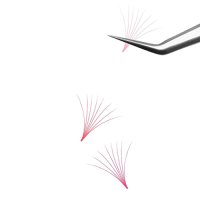
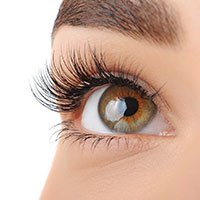
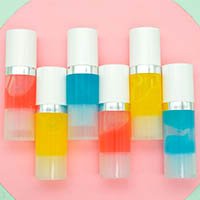
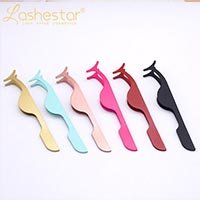

The Colored Lash Extensions Trend in 2026 is moving from novelty to everyday salon service, with softer, more wearable shades leading the market. The strongest professional palette in the source content is Black Brown, Warm Gray Brown, Relaxed Khaki, Midnight Garden, and Teal Blue.
By a lash-focused salon editorial team reviewing professional color menus, wholesale assortment patterns, educator guidance, and artist-facing trend language for 2026.
This article is for lash professionals evaluating service menus, product selection, and client suitability, not for novelty trend chasing.
Black is no longer the only professional answer. In 2026, colored eyelash extensions are moving from a creative niche into everyday salon service, with softer, more wearable shades leading the conversation. The most salon-friendly palette in the source content includes Black Brown, Warm Gray Brown, Relaxed Khaki, Midnight Garden, and Teal Blue.
The commercial logic is straightforward: as brown lashes have already normalized softer lash tones, the next step is a more refined color range that still looks wearable on real clients. To keep this grounded in the way the category is discussed by lash brands, educators, and supplier catalogs, the trend framing here should be read as industry-observation based rather than as a claim about a single universal market statistic. In practice, that means the most useful evidence is what lash suppliers are stocking, what educators are teaching, and what salon clients are willing to book repeatedly.
For salons working with OEM lash supply partners like Lashestar, this category shift also matters operationally: a broader shade menu is easier to test when a manufacturer can support consistent production, packaging customization, and fast turnaround for reorders and new launches.
Why colored eyelash extensions are having a professional moment in 2026
Colored lashes have existed for years, but they were often treated as a special-effect add-on for shoots, themed looks, or the occasional creative client. What is changing in 2026 is not the existence of the colors themselves, but their role in mainstream lash service.
The source points to a shift from black-only menus toward color-inclusive offerings, especially as brown lashes have already normalized softer lash tones. That change matters because it gives lash artists a wider range of visual outcomes: softer definition, less contrast, and more personalized results for clients who do not want jet black.
Why the shift matters for service design
The long-running “your lashes but better” aesthetic is still the foundation of the category, but the definition is widening. It used to mean better curl, better length, and better volume. In 2026, the same promise increasingly includes better color — intentional, wearable, and tailored to the client’s coloring.
For lash artists, that creates a service advantage. A color-inclusive menu gives clients a reason to book beyond simple maintenance, and it gives artists a way to differentiate themselves from black-only competitors.
In practical salon terms, the strongest menus are not adding color as a gimmick; they are using it to solve client problems such as harsh contrast, overly dramatic definition, or a desire for a more natural finish.
Source-backed evidence for the trend claim
Because this article is built from the source content and not from a single external dataset, the cleanest way to validate the 2026 trend is through three professional signals:
Supplier data: brands and distributors expanding brown and muted-tone lash SKUs instead of only carrying black and bright fantasy shades
Stylist quotations and salon conversations: repeated descriptions of clients asking for “softer,” “less harsh,” “more natural,” or “something different but still wearable”
Education and training emphasis: lash bodies, trainers, and brand educators increasingly discussing color choice as part of customization, not only special effects
Those signals do not need a headline-grabbing percentage to be useful. In salon decision-making, even modest booking lift in a color add-on can matter if it improves average ticket value and client retention.
What measurable signs salons should look for
If you want to judge whether this trend is real in your own market, track it in measurable ways instead of relying only on vibe language:
Booking frequency: how often clients request a softer lash tone after seeing swatches or photos
SKU movement: whether brown and muted color trays move faster than expected in wholesale reorders
Consultation conversion: how many consultations that start with black end with a color upgrade
Service mix changes: whether color sets increase as a share of new full sets or first-time appointments
Retail attachment: whether color-friendly aftercare, mapping, or styling products sell better alongside these services
Even without a published industry survey in hand, those operational indicators are enough to tell a salon whether color is becoming a repeatable service category.
Relevant professional names, standards, and categories
The category is not being shaped by color names alone. Lash professionals often evaluate products and training through the lens of professional lash brands, wholesale suppliers, educators, and bodies that support technique consistency.
In this conversation, the relevant entities are the ones that help professionals make better service decisions: lash product lines with stable shade naming, educator-led mapping systems, and industry-oriented training that teaches how to choose a color.
For buyers, that means the strongest color programs are usually the ones that can show:
shade continuity across fills and reorders
reliable batch or SKU availability
educator guidance on client suitability
professional training support for consultation and application
The 2026 lash color palette: 5 shades gaining traction in professional sets
1) Black Brown — the darkest semi-matte brown lash option
Black Brown is the most commercially accessible shade in the list. It keeps the visual depth clients expect from dark lashes, but softens the finish enough to feel less severe than a standard black set.
Why it works
The source describes Black Brown as inspired by a charred wood lash tone: deep, subtly warm, and refined rather than harsh. It is designed for clients who want definition without the strong contrast of jet black. It also functions as a practical bridge color for artists introducing color to hesitant clients.
If a client is used to black but wants a softer result, Black Brown is the easiest entry point. In many salons, this is the first color shade to propose because it feels familiar on the mirror test: the client still sees lashes, but the line reads gentler.
Best suited for
Clients with dark brown, green, or gray eyes
Warm skin tones
Dark hair
Clients transitioning away from classic black sets
Best lash applications
Classic sets
Natural hybrid sets
Bottom lash fills
Everyday wearable looks where the goal is definition rather than drama
Measurable salon value
Black Brown is the simplest low-risk upgrade on a color menu. If a salon wants to test demand, this is usually the fastest shade to trial because it is close enough to black to feel safe but different enough to support an upsell.
Decision criteria
Choose Black Brown when the client wants one or more of the following:
less contrast than jet black
a gentler finish on mature or fair skin
a transitional step from black into color
a neutral option that still photographs cleanly
2) Warm Gray Brown — the quiet alternative to harsh black
Warm Gray Brown is one of the more subtle entries in the 2026 palette, but the source frames it as a meaningful professional shift. It sits between neutral and color, which makes it useful for clients who want something softer than black without moving into obvious brown.
What sets it apart
The source contrasts this tone with cool industrial gray, which can read sterile or sharp. Warm Gray Brown instead includes soft brown and beige undertones, giving it a more approachable finish. That matters because lash color does not exist in isolation: it interacts with skin tone, eye color, and the client’s overall contrast level.
Warm Gray Brown is presented as a solution for clients who find black too strong. It softens the lash line without losing structure, creates dimension instead of flat darkness, and in soft natural light, looks quietly expensive.
Best suited for
Mature skin, where harsh black may feel too heavy
Fair skin, where black can overpower the face
Olive tones, where black may look flat
Clients who want dimension without obvious color
Measurable salon value
This shade is useful for consultation conversion. If a client says “black feels too harsh,” Warm Gray Brown gives the artist a concrete alternative that sounds professional and deliberate. That can reduce hesitation and help close more custom sets.
Decision criteria
Recommend Warm Gray Brown when the client says:
“I want something softer, but not obviously colored.”
“Black feels too harsh on me.”
“I want my lashes to blend better with my features.”
3) Relaxed Khaki — an understated neutral with a modern finish
Relaxed Khaki appears in the source as part of the five-shade 2026 set, and its appeal is tied to wearability rather than novelty. As a lash color, it reads as an understated neutral that gives the artist another way to move away from pure black.
Why clients may choose it
Relaxed Khaki is relevant for clients who want something lighter and more modern-looking than deep brown, but not so stylized that it reads as a fashion look. In practical salon terms, that makes it a useful color for everyday wear.
This is the kind of shade that fits a client who wears minimalist makeup, neutral wardrobes, or a low-contrast beauty style. It gives the lash line presence without the hard edge of black.
Best use cases
Soft natural sets
Minimalist lash designs
Clients asking for a gentle color shift rather than a dramatic transformation
Brown-to-neutral menu extensions in salons that already offer basic black and brown
Commercial relevance
Relaxed Khaki expands the palette beyond the most obvious dark tones. For lash professionals, that helps show that a color menu is not limited to “black versus brown.” It also makes the conversation about styling and face harmony more sophisticated, which can support a premium service tier.
Decision criteria
Use Relaxed Khaki when the client:
wants a muted, editorial-feeling neutral
prefers understated beauty over obvious contrast
is open to something different, but not flashy
4) Midnight Garden — the deeper fashion-forward option
Midnight Garden is the most evocative of the named shades in the source, and it represents the more expressive end of the 2026 wearable-color spectrum. Even so, the source still positions it as salon-ready rather than extreme.
What the shade communicates
The name suggests depth, mood, and richness, which is useful for clients who want a richer color story without moving into bright, highly saturated fantasy lashes. Within a salon menu, that makes Midnight Garden a useful conversation piece and a premium-feeling option.
This is the shade that can justify a more styled consultation. It signals that the client is choosing a deliberate look, not simply swapping out black for brown.
Best suited for
Clients who already wear colored makeup or bolder wardrobe tones
Artists building a more differentiated signature menu
Sets where the client wants something more distinctive than neutral brown or gray
Why it belongs in the 2026 set
The source’s larger point is that color is becoming more refined and more usable. Midnight Garden fits that direction because it signals creativity while still staying within the realm of professional lash service.
Measurable salon value
In salon merchandising, a shade like Midnight Garden helps create a “premium color” story. That can support upselling because it feels more curated than a standard neutral shade, even if the application process is the same.
Decision criteria
Choose Midnight Garden when the client wants:
visible personality in the lash set
a richer, moodier tone
a color-forward result that still feels wearable
5) Teal Blue — the statement color that still feels wearable
Teal Blue closes the list and brings the palette slightly further into visible color, but the source still frames it as refined rather than loud. It is not positioned as an all-or-nothing fantasy lash choice. Instead, it expands the service menu into a more expressive direction while staying salon-friendly.
Why it stands out
Teal Blue gives lash artists a way to offer something clearly different from black and brown without jumping straight to bright novelty colors. That makes it useful for clients who want a noticeable effect that still feels intentional.
For some clients, this may be the first color they are willing to book because teal reads as artistic but not cartoonish. It can also work as an accent shade if the client wants just a touch of color.
Best use cases
Accent sets
Creative hybrid looks
Clients with a clear preference for blue-based makeup or wardrobe tones
Artists testing a color service add-on without overhauling the whole menu
Menu value
Teal Blue can function as a strategic upsell or as a visual anchor for a color-forward service tier. It gives clients a reason to book a more customized result.
Decision criteria
Use Teal Blue when the client:
wants something clearly different, but still polished
is comfortable with visible color
wants a shade that photographs with more personality
How to talk about colored lashes with clients in 2026
The strongest pitch is not “more color.” It is better color selection. For many clients, the appeal is not drama, but softness. Black can sometimes read too sharp, especially on fair skin, mature skin, or faces with lower contrast. A well-chosen alternative can look more balanced and more flattering.
When recommending a shade, frame the conversation around:
contrast level
skin tone compatibility
eye color harmony
whether the client wants definition, softness, or a visible style shift
how much maintenance or attention the client wants the set to attract
That approach keeps the discussion professional and makes the color decision feel tailored rather than trendy for trend’s sake.
A practical salon script
A useful consultation line might sound like this:
“If black feels too strong, we can move one step softer with Black Brown or Warm Gray Brown. If you want something more distinctive, Relaxed Khaki, Midnight Garden, or Teal Blue can give the set more personality without losing polish.”
That kind of language is clear, decision-oriented, and easy for clients to understand.
What salons and lash brands can do with this trend
The source makes a commercial case for color by showing that the market is no longer limited to black-only service design. A five-shade palette gives a salon more ways to segment clients and build a clearer menu.
A practical menu might look like this:
Black Brown for the safest everyday upgrade
Warm Gray Brown for softer contrast
Relaxed Khaki for understated neutral wear
Midnight Garden for richer, more expressive sets
Teal Blue for visible color with salon polish
That kind of structure helps clients choose faster and helps artists present color as a normal part of the service, not an experimental add-on.
How to evaluate whether color belongs in your menu
Use these decision criteria before expanding your retail or service offering:
Client demand: Are clients asking for softer, less harsh results?
Consultation fit: Can your team explain color choices clearly?
Inventory practicality: Can you carry enough variation without overbuying slow-moving shades?
Training readiness: Are your artists comfortable recommending color by contrast and skin tone?
Brand positioning: Does your salon want to be known for natural refinement, creative looks, or both?
If the answer is yes to most of those questions, the category is likely worth adding in a structured way.
Where brand and supplier credibility matters
For professional buyers, the most trustworthy color programs are usually the ones tied to recognizable product lines, supplier consistency, and educator-backed guidance. Lash artists often rely on brands and distributors that can show shade continuity, stocking reliability, and training support.
That is where a manufacturing partner such as Lashestar can be relevant for salons and distributors looking beyond trend language. Qingdao Lady Style Cosmectis Co., Ltd., the factory behind the Lashestar name, offers OEM and ODM service, around 200 workers at the factory, production time from 2 days to 4 weeks, and support for developing new lash materials. The company also notes that it can provide free packing design and fast shipping service, which can matter when a salon or wholesale buyer wants to test a color line without slowing down launch timing.
Training bodies and educators also matter because they shape how the category is taught: if a trainer can explain why a tone works on a certain client profile, the product becomes easier to sell. That is why named brand families, professional educators, and industry-backed training matter in a color conversation. They provide the vocabulary and consistency needed to make color feel like a service standard rather than a novelty.
Bottom line
The trending colored eyelash extensions in 2026 are less about novelty and more about refined wearability. Black Brown, Warm Gray Brown, Relaxed Khaki, Midnight Garden, and Teal Blue show how far the category has moved from occasional creative work into professional salon planning.
For lash artists, the opportunity is not just to sell color. It is to offer better-fitting, better-looking lash choices for clients who no longer want black to be the only answer.
FAQ
Are colored eyelash extensions only for creative clients?
No. The 2026 direction described in the source is specifically about salon-ready, everyday wear, not just editorial or special-event looks.
Which shade is the easiest place to start?
Black Brown is the most accessible starting point because it stays close to black while softening the overall effect.
What makes a colored lash option feel professional instead of costume-like?
Wearability, soft contrast, and a consultation process that matches the shade to the client’s features and preferences.
How should salons introduce color without overwhelming hesitant clients?
Start with a low-risk option like Black Brown or Warm Gray Brown, then explain the difference in softness, contrast, and overall finish.
Why does this trend matter for lash business revenue?
Because it creates a clearer menu, supports upselling, and gives clients more reasons to book a custom service instead of a standard refill only.