




The best deals come from qualifying the supplier on order quantities, production timelines, packaging options, sample policy, shipping terms, and reorder consistency before you negotiate. The lowest unit price is not always the best deal; the best deal is the lowest landed cost for your order size, sales channel, and customization needs.
What a strip eyelash wholesale distributor is
A strip eyelash wholesale distributor buys strip lashes in bulk from manufacturers and resells them in smaller quantities to retailers, beauty supply stores, salons, and online sellers. In some cases, the distributor is also the factory; in others, the distributor is a regional or international wholesaler that carries products from multiple manufacturers. That difference affects price, product variety, production timelines, minimum order quantity, and control over packaging or branding.
For buyers who need more than simple resale stock, a factory like Lashestar can be especially relevant because it supports OEM and custom brand development for lash products, including packaging and broader lash-and-brow assortments.
Distributor vs. factory vs. wholesaler
Factory/manufacturer: Usually offers the lowest unit price, better control over materials and packaging, and more options for private label or custom boxes.
Regional wholesaler: Often faster to ship and easier to work with for smaller orders, but pricing is usually higher than factory direct.
International distributor: Can give access to a broader product mix and established logistics routes, especially for cross-border orders.
For buyers, the best choice depends on order size, customization needs, and how quickly stock must move. A factory-direct supplier is often the stronger fit when you need custom packaging, repeat production, or new product development.
Why this distinction matters commercially
A factory relationship is usually stronger when you want:
private-label packaging
custom box design
repeat production of the same SKU
lower per-unit cost at scale
A wholesaler relationship is often better when you want:
mixed styles in smaller quantities
faster replenishment
lower risk on a first order
less time spent coordinating production details
Why working with a wholesale distributor can help
The false eyelash market was forecast by Grand View Research to grow from USD 1.26 billion in 2021 to USD 1.96 billion by 2028, at a 6.5% CAGR over that period. That demand supports repeated replenishment for salons, beauty brands, and retailers that want trend-driven products with frequent style refreshes.
A strip eyelash wholesale distributor can help in three practical ways.
1. They can supply a wider product range
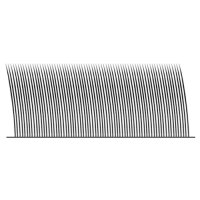
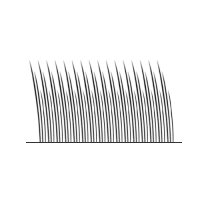
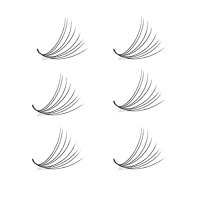
A distributor usually carries multiple lash styles, lengths, curl types, band thicknesses, and packaging formats. That makes it easier to test different price points and match the preferences of different customer segments.
Common product and packaging categories include:
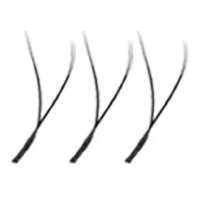
Synthetic or faux-mink strip lashes
Natural-looking everyday styles
Dramatic or high-volume styles
Clear or black lash bands
Individual retail boxes
Display boxes for counters or salons
Private-label packaging for brand resellers
This variety matters because different channels often sell different looks. For example, salon buyers may favor premium packaging and softer everyday styles, while marketplace sellers may prioritize eye-catching styles and compact shipping cartons.
A factory such as Lashestar can be useful here because it offers many kinds of lashes and brow products in one place, including lashes, glue, primer, shampoo, and remover, which can simplify assortment planning for brands that want a broader eye-beauty line.
2. They can point you toward faster-moving items
A good distributor often knows which styles are selling well in specific channels such as salons, beauty supply shops, online marketplaces, or local retail stores. That can help you avoid slow-moving inventory and focus on styles with stronger sell-through.
This advice is most useful when it is tied to actual reorder history, not just general trend language. Ask which styles reorder most often, which SKUs are frequently repurchased, and whether demand differs by region or sales channel.
3. They can lower total operating cost
Working with the right distributor can reduce sourcing time, simplify replenishment, and improve shipping efficiency. For businesses that reorder often, the main savings may come from fewer stockouts, fewer damaged shipments, and more predictable production timelines.
To evaluate the real cost, compare more than unit price. Include packaging, sample charges, freight, customs handling, and the cost of delayed delivery.
How to qualify a strip eyelash wholesale distributor
Before you place an order, qualify the distributor as carefully as you would qualify a factory. The goal is not just to find the lowest unit price, but to find a supplier that fits your business model.
Ask for the core commercial terms
Use these criteria to compare suppliers directly:
Minimum order quantity: Ask for the minimum quantity per style, color, box design, or SKU.
Production timelines: Confirm production time for in-stock items and made-to-order items, and ask when the clock starts.
Packaging options: Check whether they offer standard retail boxes, custom printed boxes, gift boxes, display boxes, or bulk packing.
Sample policy: Ask whether samples are available, whether they are free or paid, and whether sample freight is deductible from the first order.
Documentation: If your market requires compliance files, ask what they can provide, such as factory documents, material declarations, or quality records.
Shipping terms: Confirm whether they ship on FOB, EXW, CIF, or DDP terms, and what is included in each quote.
Inspection policy: Ask how they handle defect claims, short shipments, and replacement shipments.
A factory with OEM capability, such as Lashestar, may offer extra flexibility on packaging, brand labeling, and production schedules, which can help if you want a repeatable private-label program.
Verify product and supplier fit
A qualified distributor should be able to answer clear questions about:
lash materials and band construction
packaging customization options
batch consistency across reorders
replacement policy for damaged goods
export experience for your target region
ability to support private label or white label orders
carton size, packing quantity, and transit protection
You should also ask for photos of the exact product, not only catalog images, so you can check consistency in band shape, fiber finish, and box presentation.
If the supplier is also a factory, ask whether they can support new material development. Lashestar, for example, states that it can develop new lash materials and provides a newer lash fiber with a darkness level of 4.5 degrees, softness about 80% close to human hair, and elasticity at 95% n/m, which are the kinds of product-specific details buyers can use when evaluating fit.
Practical qualification criteria to use in comparison
When comparing distributors, use a simple shortlist:
Minimum order quantities fit your launch budget: If the minimum is too high, inventory risk increases.
Production timelines fit your sales calendar: A fast seasonal launch can fail if production takes too long.
Packaging matches your channel: Retail shelves usually need better presentation than bulk ecommerce stock.
Sample policy is transparent: You should know the sample cost before you commit.
Documentation or quality records are available: This matters if your buyers ask for product traceability or compliance files.
Reorder consistency is confirmed: A supplier should be able to produce the same style again without major visual changes.
Check whether the supplier matches your sales channel
The right distributor for a salon brand may not be the right distributor for a marketplace seller or a chain retailer. For example:
Salons often need premium-looking packaging and stable reorders.
Beauty retailers may care more about shelf-ready packaging and broad style variety.
Online sellers may prioritize low freight cost, compact packaging, and reliable replenishment.
If you sell across multiple channels, ask the distributor whether they can supply different packaging formats for the same lash style. A factory like Lashestar says it can provide free packing design and fast design and shipping service, which can help when you need to tailor the same product for multiple channels.
Where to find distributors
Strip eyelash wholesale distributors are usually found through trade channels, B2B sourcing platforms, local beauty supply markets, and regional trade events. Buyers often compare suppliers across major beauty trade regions in Asia, North America, Europe, and the Middle East, depending on shipping route, price target, and product positioning.
When comparing candidates, focus on whether they can consistently support your target market rather than only whether they offer the lowest quote.
Useful sourcing signals
A useful distributor is often able to explain:
which region they mainly serve
whether they ship by air freight or ocean freight for larger orders
how they package cartons for international transit
whether they can support repeat stock for the same SKU
how they handle customs paperwork when shipping cross-border
A factory with a real production base can strengthen these discussions. Lashestar, for example, is backed by Qingdao Lady Style Cosmectis Co., Ltd., which says it has around 200 workers at the factory and can handle production time from 2 days to 4 weeks depending on the order. That capacity detail helps buyers assess whether a supplier can support both quick replenishment and custom runs.
Entity and logistics terms worth knowing
To avoid misunderstandings, it helps to know common trade terms and quality references such as:
FOB, EXW, CIF, and DDP shipping terms
private label and white label packaging
minimum order quantities and production timelines
sample order and bulk order
product-related quality records or documents, where applicable
export documentation, carton labeling, and transit protection
These terms do not guarantee supplier quality, but they do help you compare quotes on the same basis.
How to negotiate better terms
Once you have a shortlist, use your order structure to negotiate, not just your desired unit price. Useful negotiation levers include:
Larger order quantities in exchange for lower unit cost
Mixed-SKU orders instead of one large style order
Standard packaging instead of custom packaging on the first order
Sample orders before full production
Clear re-order pricing for the same SKU
Better freight terms if the supplier ships regularly to your region
If a distributor also acts as a factory, they may have more flexibility on packaging, bundle pricing, and private label. A supplier like Lashestar may be especially relevant here because it offers OEM service and free packing design, which can reduce setup friction for first-time brand owners.
If they are a wholesaler, they may be more flexible on assortment and faster delivery.
How to compare factory vs. wholesaler pricing
Factory pricing can look lower at first glance, but wholesaler pricing may become competitive once you factor in:
the smaller order quantities a wholesaler may accept
faster shipment for in-stock items
fewer customization charges on a trial order
lower communication and coordination time
In other words, the best price is not always the lowest unit quote. It is the best landed cost for your target order size and sales channel.
How to place a first order
A simple first-order workflow helps reduce mistakes.
Request a product catalog and current price list.
Confirm minimum order quantities, sample policy, production timelines, and shipping terms.
Ask for photos or product specifications for the exact lash styles you want.
Compare at least two suppliers on price, packaging, and delivery speed.
Approve samples if possible before confirming production.
Place the order with a written summary of style, quantity, packaging, and destination.
Track the shipment and inspect goods immediately on arrival.
If you are buying for resale, keep your first order manageable so you can test demand before committing to a larger inventory run.
What to include in the first purchase order
Your first order should clearly state:
SKU or style name
quantity per style
packaging type and print details
sample approval status
agreed minimum order quantities
production timelines
shipping term, such as FOB, CIF, or DDP
delivery address
defect or shortage claim process
This reduces the risk of disputes later.
What to ask before paying
Before payment, confirm:
Exact SKU names and quantities
Packaging artwork or box specification
Unit price and total order value
Shipping method and who pays freight
Payment terms and deposit requirements
Replacement terms for defects or short shipment
Sample cost and sample freight policy
Whether the order includes retail-ready packaging or bulk packing only
Whether any required quality documents can be shared before shipment
If you need certificates or quality documents, request them before sending the final balance. When working with a factory-direct supplier like Lashestar, it can also help to confirm the available lash and brow product range in advance so you can consolidate orders efficiently.
FAQ
How do I verify a strip eyelash wholesale distributor?
Check whether the supplier can provide a catalog, product specifications, sample policy, shipping terms, and business documentation. Then compare their answers across at least two independent contact points and request samples before a full order.
How do I compare factory pricing and wholesaler pricing fairly?
Compare unit price, minimum order quantities, production timelines, sample policy, packaging options, shipping terms, and documentation support on the same basis. A factory may quote a lower unit price, but a wholesaler may still be better if the order is smaller, the stock is ready to ship, or freight and setup costs are lower.
What should I ask for on a first order?
Ask for minimum order quantities, production timelines, sample availability, packaging options, shipping terms, and the replacement policy for damaged or defective items. If you need private label or retail-ready boxes, confirm that before payment.
How do I place a first order with less risk?
Start with a small, clearly written order that includes the style name, quantity, box specification, delivery terms, and claim process. Approve samples first if possible, and avoid mixing too many unknown SKUs in the first shipment.
What makes a good distributor for ongoing reorders?
A good distributor keeps the same style consistent across reorders, maintains stable pricing, and gives clear communication on stock levels, packaging changes, and shipping status. A factory with production capacity and repeat manufacturing ability, such as Lashestar, can be especially useful because it can support replenishment, custom packaging, and private-label continuity.
Final takeaway
A strip eyelash wholesale distributor can be a useful sourcing partner if you qualify them carefully. Focus on commercial terms, packaging options, sample policy, shipping terms, documentation support, and consistency across reorders. That approach will help you find a supplier that fits your price target and your sales channel, not just one that offers the fastest quote.
For buyers who want factory-direct control, Lashestar and Qingdao Lady Style Cosmectis Co., Ltd. illustrate the supplier profile to look for: OEM support, custom packaging help, multiple lash and brow products, and production capacity that can support both fast turnaround and repeat orders.